Addyi, what flibanserin is approved for and what to ask a clinician
Addyi is a prescription pill for low sexual desire that causes distress, called hypoactive sexual desire disorder. Who the FDA label covers, how it differs from supplements, the boxed warning about alcohol, how Vyleesi compares, and the questions worth bringing to a clinician.
By the Wet Betty editors · Published Oct 17, 2026
Fact checked against FDA 510(k) filings, WHO guidance and the sources listed below. How we review
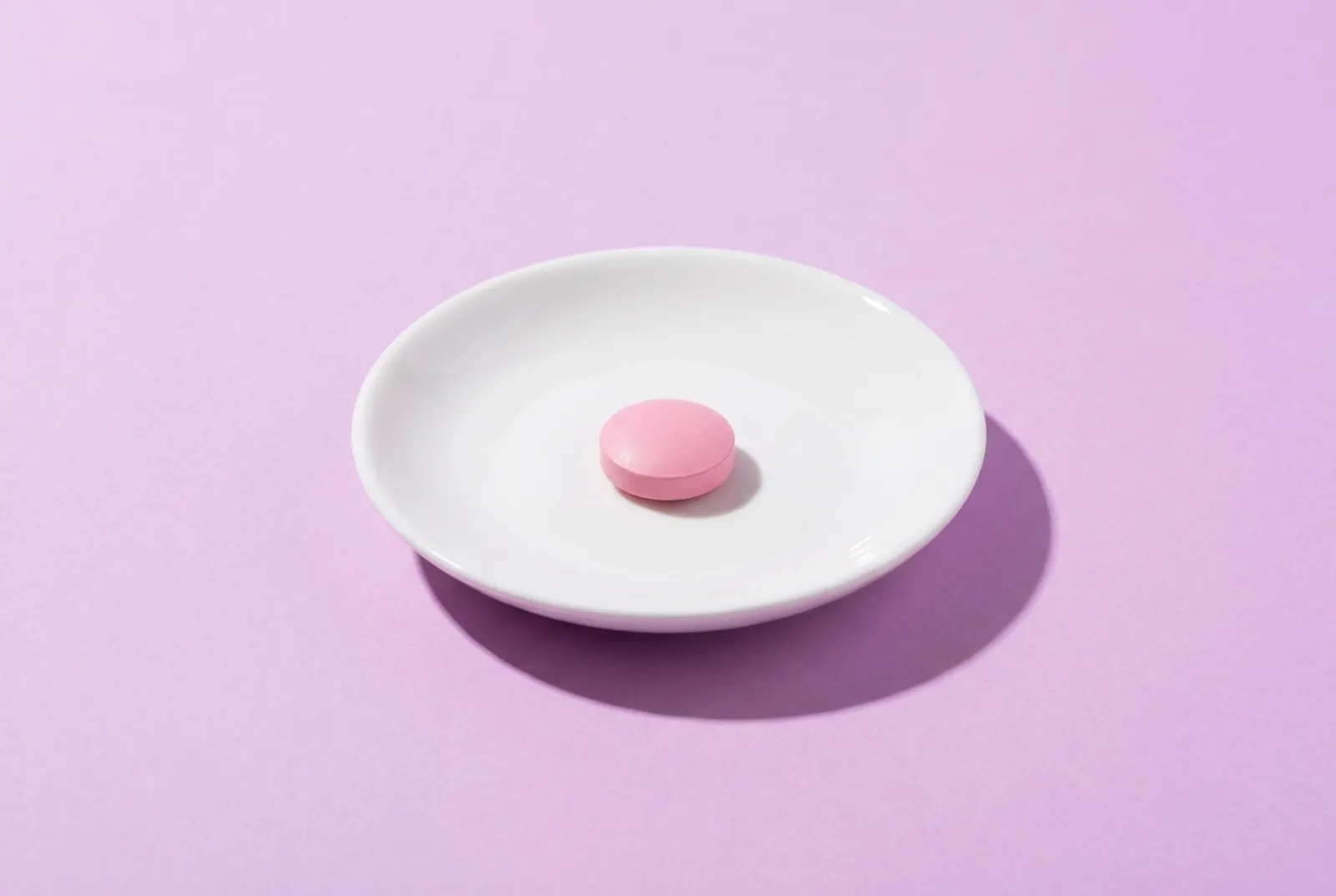
Addyi is the brand name for flibanserin, a prescription pill for hypoactive sexual desire disorder, meaning low desire that causes distress and has no other explanation. The FDA label, revised in December 2025, covers women under 65. It carries a boxed warning about alcohol. It is not a supplement, and the questions about it belong with a clinician.
What Addyi is.
Flibanserin is a prescription tablet made by Sprout Pharmaceuticals and sold as Addyi. The FDA first approved it in 2015 for premenopausal women with hypoactive sexual desire disorder, and it was the first medicine approved for low desire in women. The label says its mechanism of action is not known; it acts on brain chemistry rather than on blood flow, which is why it is a daily medicine rather than something taken before sex.
It is often called female Viagra. That is misleading. Viagra helps a physical response and is taken before sex. Addyi aims at desire itself, and it works, when it works, over weeks.
Who it is approved for.
The current FDA label, revised in December 2025, covers women under 65 with acquired, generalized hypoactive sexual desire disorder. Before that change, the approval was for premenopausal women only. Under the current label, it now also covers postmenopausal women under 65.
The label defines HSDD as low sexual desire that causes marked distress or interpersonal difficulty and is not due to:
- another medical or psychiatric condition,
- problems within the relationship, or
- the effects of a medication or other substance.
Acquired means it developed after a time when desire was not a problem. Generalized means it happens regardless of the situation, type of stimulation or partner.
The label also says Addyi is not indicated in men, and not indicated to enhance sexual performance. In other words, it is for a diagnosed condition, not a general boost.
How Addyi differs from supplements.
| Addyi | Libido supplements | |
|---|---|---|
| Regulation | FDA approved prescription drug | Not FDA reviewed for effectiveness |
| Evidence | Large placebo controlled trials | Small trials, often narrow groups |
| Who it is for | Women under 65 with diagnosed HSDD | Sold to anyone |
| Safety oversight | Boxed warning, prescriber counseling | Makers responsible for safety |
| Access | Prescription | Over the counter |
Supplements such as maca, ashwagandha and saffron have only small trials, which our libido supplements guide walks through. Addyi went through FDA review with larger trials, but its average benefit is modest, and it comes with real warnings. Neither is a shortcut past finding the cause.
The alcohol warning.
Addyi carries an FDA boxed warning, the strongest kind. Per the label, using Addyi and alcohol together close in time increases the risk of severe low blood pressure and fainting. The label gives specific instructions about alcohol and timing, which your prescriber will go through with you.
The same boxed warning says Addyi is contraindicated with moderate or strong CYP3A4 inhibitors, a group that includes some antifungals, antibiotics, HIV medicines and other drugs, and the label lists grapefruit juice among the moderate inhibitors. It is also contraindicated in people with liver impairment. The label lists other interactions too, including oral contraceptives and other weak CYP3A4 inhibitors, strong CYP2C19 inhibitors, other sedating medicines and digoxin, so a full list of your medicines and supplements matters.
Other label warnings include sleepiness and sedation, low blood pressure and fainting even without alcohol, and allergic reactions. The label advises avoiding driving and other tasks that need full alertness for several hours after each dose, and until you know how Addyi affects you. The most common side effects in trials were dizziness, sleepiness, nausea, fatigue, trouble sleeping and dry mouth.
How well it works.
On average, modestly. A 2016 meta-analysis in JAMA Internal Medicine pooled 8 trials with 5,914 women and found flibanserin added about one half of a satisfying sexual event per month over placebo, with small gains in desire scores. The risk of dizziness was about four times higher than with placebo, and sleepiness, nausea and fatigue were also more common. The authors rated the overall quality of the evidence as very low.
Averages hide a range. Some women report a meaningful change, and others none. The label tells prescribers to stop Addyi if there is no improvement after 8 weeks.
Vyleesi, the other approved option.
Vyleesi is the brand name for bremelanotide, approved by the FDA in 2019. It works differently: it is a melanocortin receptor agonist given as a self injection under the skin, used as needed before sexual activity rather than every day.
Per its label, Vyleesi is approved for premenopausal women with acquired, generalized HSDD, and it is not indicated for postmenopausal women or men. It is contraindicated in people with uncontrolled high blood pressure or known heart disease. It can cause a temporary rise in blood pressure, nausea, which was reported by 40 percent of patients in its trials, flushing, headache and, less often, darkening patches of skin.
| Addyi | Vyleesi | |
|---|---|---|
| Drug | Flibanserin | Bremelanotide |
| Form | Daily tablet | Injection used as needed |
| Approved for | Women under 65 with HSDD | Premenopausal women with HSDD |
| Key warnings | Alcohol, CYP3A4 inhibitors, liver | Blood pressure, heart disease, nausea |
Questions to ask a clinician.
- Could something else explain my low desire, such as a medicine, pain with sex, dryness, depression, thyroid or hormones?
- Does what I am experiencing fit hypoactive sexual desire disorder?
- Would sex therapy or couples therapy make sense first, or alongside a medicine?
- Is Addyi or Vyleesi a reasonable option for me, given my age, menopause status and health?
- What does the alcohol warning mean for my life, and how would I follow it?
- Do any of my medicines, supplements or foods interact with Addyi?
- How will we judge whether it is working, and when would we stop?
- Are there cost or coverage options I should know about?
Bring a list of every medicine and supplement you take. If vaginal dryness or pain is part of the picture, mention it; treating it can change desire on its own (see how to treat vaginal dryness and our menopause lube guide), and topical options are covered in our arousal gel guide.
Other things that help with low desire.
Medicine is one option among several. Mayo Clinic's guidance on low sex drive points to medicines, health conditions, hormone changes, mood and relationship issues as common causes, and treating those causes often comes first. Sex therapy is a well established treatment for low desire. Small changes, such as more time for intimacy, less pressure and more conversation, help many couples; our couples games picks are one low stakes way to start.
When to see a clinician.
See a clinician if low desire is persistent and bothers you, is a change from before, started after a new medicine, a birth, surgery or menopause, or comes with pain during sex, low mood or exhaustion. If you take Addyi, get care urgently for fainting or severe dizziness, and stop and contact your prescriber about any reaction. This page is general information, not medical advice, and does not replace a conversation with your own clinician.
Frequently asked questions.
What is Addyi used for?
Addyi treats hypoactive sexual desire disorder, a persistent lack of sexual desire that causes distress and is not explained by another condition, a medicine or relationship problems. Under the label revised in December 2025, it covers women under 65, including postmenopausal women under 65.
Is Addyi female Viagra?
No, although it is often called that. Viagra works on blood flow and is taken before sex. Addyi acts on brain chemistry and is taken every day, and its target is desire, not physical arousal.
Can you drink alcohol on Addyi?
The FDA boxed warning says using Addyi and alcohol close together increases the risk of severe low blood pressure and fainting. The label sets specific rules about alcohol and timing. Go through them with your prescriber before starting.
How well does Addyi work?
Modestly, on average. A 2016 meta-analysis found about one half of an extra satisfying sexual event per month compared with placebo. Some women respond more, some not at all, and the label tells prescribers to stop it if there is no improvement after 8 weeks.
What is the difference between Addyi and Vyleesi?
Addyi is a daily pill that acts on brain chemistry over weeks. Vyleesi is a self injection used as needed before sexual activity. Vyleesi is approved for premenopausal women only and has its own warnings, including temporary rises in blood pressure and nausea. A clinician can explain which, if either, fits you.
Are libido supplements an alternative to Addyi?
Not really. Supplements such as maca and ashwagandha have only small trials and are not FDA reviewed for effectiveness. Addyi and Vyleesi went through FDA review, need a prescription and treat a diagnosed condition.