The best incontinence underwear for women, and what to try first (2026)
Disposable and washable incontinence underwear, bladder leak pads and an over the counter bladder support, chosen by leak type and absorbency. Plus the difference between stress and urge incontinence, and why pelvic floor training is the first treatment, not the last.
By the Wet Betty editors · Published Oct 17, 2026
Fact checked against FDA 510(k) filings, WHO guidance and the sources listed below. How we review
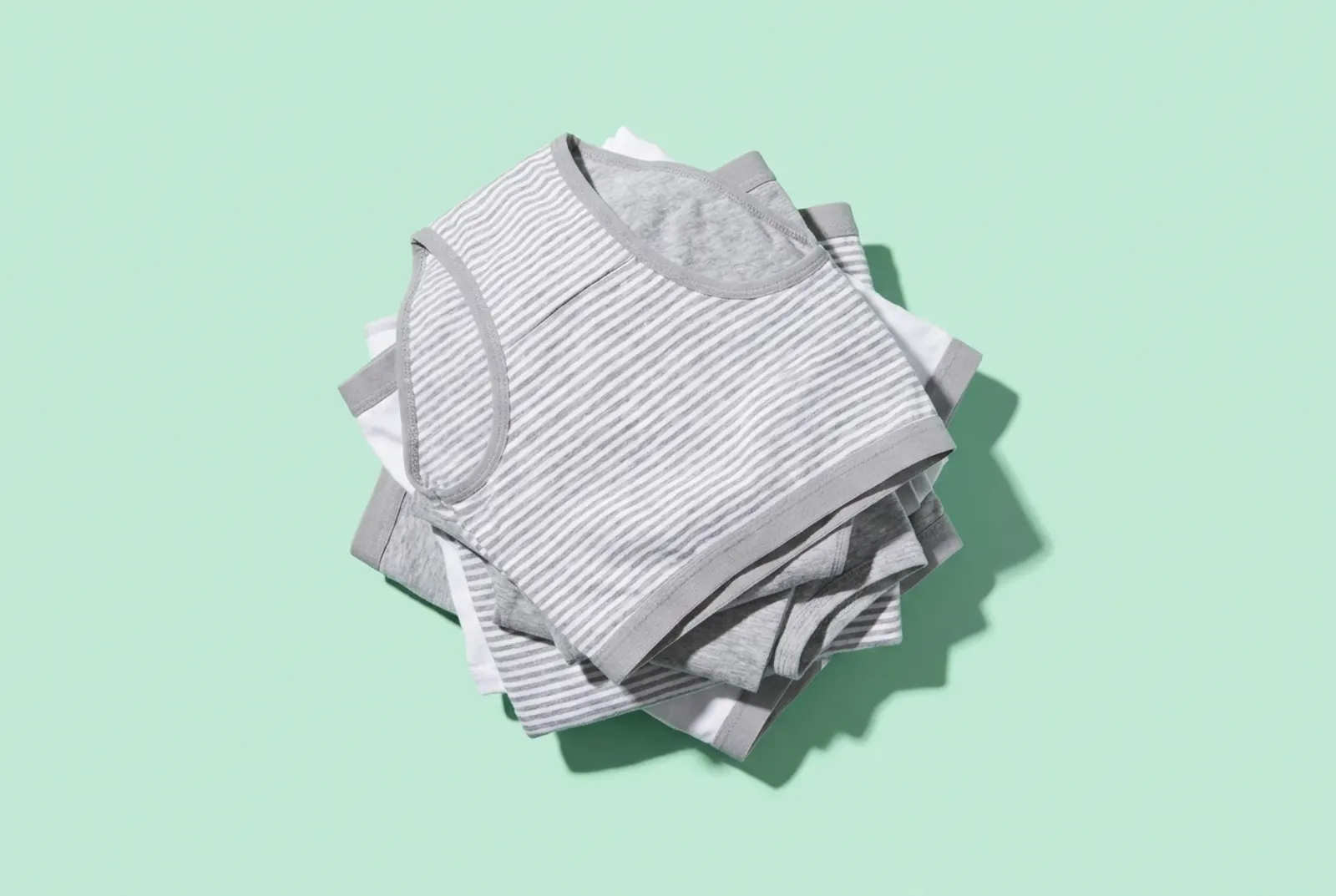
The best incontinence underwear for most women with moderate to heavy leaks is Always Discreet maximum absorbency, and for light leaks, reusable underwear like Thinx for All Leaks. Match absorbency to your heaviest leak. Underwear manages leaks; it does not treat them. ACOG says pelvic floor training, bladder training and lifestyle changes usually come first.
Our picks.
- Best overall: Always Discreet Maximum Absorbency Incontinence Underwear
- Best slim fit: Depend Silhouette Incontinence Underwear for Women
- Best washable: Poise Washable Incontinence Underwear for Women
- Best for light leaks: Thinx for All Leaks Hip-Hugger Underwear
- Best overnight: TENA Sensitive Care Overnight Incontinence Underwear
- Best pads: Poise Incontinence Pads, 4 Drop Moderate
- Best for stress leaks: Revive Bladder Support
Stress, urge and mixed leaks.
The right product, and the right treatment, depends on why you leak. ACOG describes three main types in women:
- Stress incontinence. Leaking when pressure rises in the belly: a cough, laugh, sneeze, jump, run or lift. It is common after pregnancy and childbirth and around menopause, when the muscles and tissues that support the urethra are weaker.
- Urgency incontinence. A sudden, strong urge that is hard to stop, sometimes with leaking on the way to the bathroom. An overactive bladder means urgency and frequency, with or without leaks.
- Mixed incontinence. Both together. This is common.
ACOG also lists causes worth ruling out, including urinary tract infections, diuretic medicines, caffeine, alcohol, constipation, and nerve conditions such as diabetes, stroke and multiple sclerosis. A sudden change in your bladder is a reason to see a clinician rather than buy a bigger pad. If burning comes with the leaking, our page on whether lube can cause a UTI covers one common question.
Pelvic floor therapy comes first.
Incontinence products are useful, but they are not treatment. ACOG says most cases can be cured or greatly improved, and that the first steps are usually nonsurgical: lifestyle changes, bladder training, physical therapy and bladder support devices, with medication for urgency and surgery for some cases. ACOG says Kegel exercises help all types of incontinence and suggests a physical therapist who specializes in pelvic health.
The evidence for pelvic floor muscle training is strong. A 2018 Cochrane review of 31 trials found that women with stress incontinence who did the training were about eight times more likely to report a cure than women who had no treatment, 56 percent versus 6 percent, and about six times more likely to report cure or improvement. Adverse events were rare and minor. Our kegel weights guide explains the tools, and when they do not suit. If your pelvic floor is tight and painful rather than weak, a therapist may use different tools, such as a pelvic wand.
ACOG also mentions weight loss for people who are overweight, managing fluids before bed, limiting caffeine and alcohol, and bladder training, which gradually stretches the time between bathroom trips. NIDDK lists absorbent underwear and pads as a way to manage leaks alongside these steps. The practical plan is both: protection now, treatment for the long run.
How to choose incontinence underwear.
| Leak pattern | What usually fits | Notes |
|---|---|---|
| A few drops with a sneeze or laugh | Liner, light pad, or light reusable underwear | Reusables work well here |
| Regular stress leaks, exercise | Moderate pad or bladder support insert | Inserts reduce leaks; pads catch them |
| Leaking on the way to the bathroom | Moderate to maximum underwear | Urge leaks can be larger |
| Overnight | Overnight underwear | Built for longer wear lying down |
| Heavy or full bladder leaks | Maximum disposable underwear | See a clinician too |
Absorbency. Brands use their own scales, often drops or ml capacity. Choose for your heaviest leak. Too little absorbency means leaks through clothes; far too much means bulk you do not need.
Disposable or reusable. Disposables hold more and are easier when away from home. Reusable underwear looks like regular underwear and cuts waste, but most holds less, so it suits light to moderate leaks.
Fit. Leaks often come from gaps, not from a full core. Check the size chart against your hip measurement, not your usual underwear size.
Skin. Change promptly, rinse and dry skin, and choose unscented products if you react to fragrance. Bladder leak products are designed to absorb faster and lock liquid away from skin, which is why a product made for urine matters.
Our picks.
Our full reviews.
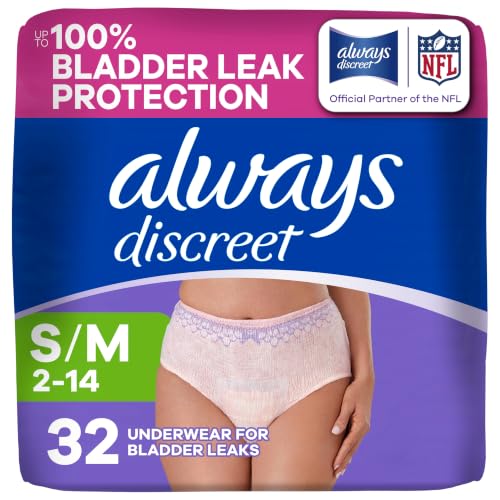
Our take. The best selling disposable bladder leak underwear on Amazon, with maximum absorbency in a pull up that fits like underwear.
Pros
- Maximum absorbency rating
- Pulls on like regular underwear
- Sized from S/M to XXL
Cons
- Disposable, so ongoing cost
- Bulkier than a pad for light leaks
| Category | Format |
|---|---|
| Vaginal health | Disposable pull up underwear, maximum absorbency, sizes S/M to XXL |

Depend Silhouette Incontinence Underwear for Women
Our take. Depend's slimmer fitting maximum absorbency underwear, cut closer to the body for wear under fitted clothes.
Pros
- Maximum absorbency
- Slimmer, body hugging fit
- Also sold for postpartum leaks
Cons
- Disposable, so ongoing cost
- Sizing runs close, check the chart
| Category | Format |
|---|---|
| Vaginal health | Disposable underwear, maximum absorbency, sizes S to XL |

Poise Washable Incontinence Underwear for Women
Our take. A reusable brief from the best known bladder leak pad brand, for light to moderate leaks without the trash.
Pros
- Reusable and machine washable
- Looks like regular underwear
- From an established bladder care brand
Cons
- Holds less than disposable underwear
- Sold one pair at a time
| Category | Format |
|---|---|
| Vaginal health | Reusable, machine washable brief, single pair |

Thinx for All Leaks Hip-Hugger Underwear
Our take. Reusable underwear made for light bladder leaks, with a stated capacity on the label so you know what it holds.
Pros
- Stated capacity of up to 100 ml per the brand
- Reusable and washable
- Several cuts and a wide size range
Cons
- For light leaks only
- High upfront cost per pair
| Category | Format |
|---|---|
| Vaginal health | Reusable hip hugger, light absorbency, brand states up to 100 ml |

TENA Sensitive Care Overnight Incontinence Underwear
Our take. TENA's overnight underwear, made for the heavier, longer wear of a full night's sleep.
Pros
- Built for overnight absorbency
- Marketed for sensitive skin
- Wide size range
Cons
- Too bulky for daytime light leaks
- Disposable, so ongoing cost
| Category | Format |
|---|---|
| Vaginal health | Disposable overnight underwear, sizes S/M to XXL |

Our take. The bladder leak pad most people start with: moderate absorbency, worn in your own underwear, sold in big packs.
Pros
- Worn in your own underwear
- Moderate absorbency suits most stress leaks
- Large pack
Cons
- Not enough for heavy leaks
- Can shift during exercise
| Category | Format |
|---|---|
| Vaginal health | Disposable pads, 4 drop moderate absorbency, 132 count |
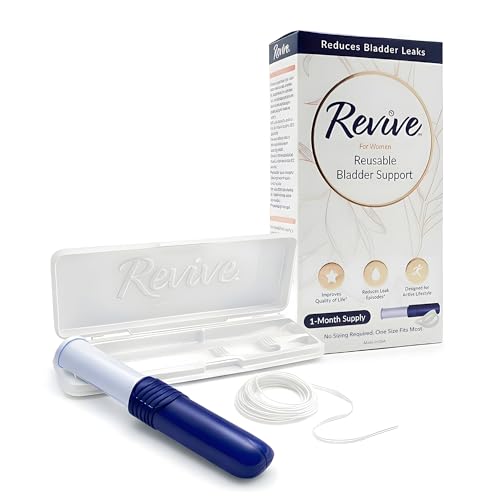
Revive Bladder Support
Our take. An over the counter, FDA cleared bladder support insert for stress leaks, worn like a tampon during exercise or long days.
Pros
- FDA cleared for stress urinary incontinence
- Reusable silicone core
- Reduces leaks rather than catching them
Cons
- Stress leaks only, not urge leaks
- Takes practice to size and insert
| Category | Format |
|---|---|
| Vaginal health | Reusable silicone vaginal insert with applicator |
Always Discreet Maximum Absorbency Underwear.
The best selling disposable bladder leak underwear on Amazon. It pulls on like regular underwear, carries the brand's maximum absorbency rating and comes in a wide size range. It earns best overall for being the product that covers the most leak patterns, from moderate stress leaks to larger urge leaks.
Depend Silhouette.
Depend's maximum absorbency underwear for women, cut closer to the body for wear under fitted clothes. The brand also markets it for postpartum leaks. Sizing runs close, so check the chart.
Poise Washable Incontinence Underwear.
A reusable brief from the best known pad brand. It looks like everyday underwear and suits light to moderate leaks. It holds less than disposable underwear, so pair it with a pad on heavier days.
Thinx for All Leaks.
Reusable underwear made specifically for bladder leaks rather than periods, with a stated capacity of up to 100 ml per the brand, so you know what it holds. It comes in several cuts and a wide size range. Best for light leaks.
TENA Sensitive Care Overnight Underwear.
Overnight underwear designed for longer wear lying down. TENA markets it for sensitive skin. It is too bulky for light daytime leaks, but for nights it is the right tool.
Poise Incontinence Pads, 4 Drop.
The pad most people start with. It sits in your own underwear, holds moderate leaks and comes in large packs. For a few drops at a time, Poise's lighter pads and liners may be all you need.
Revive Bladder Support.
The one pick that reduces leaks rather than catching them. Revive is an over the counter silicone insert placed in the vagina with a tampon like applicator to support the urethra, and it was cleared by the FDA in 2019 for stress urinary incontinence. ACOG mentions this type of over the counter device alongside pessaries fitted by a clinician. It does not help urge leaks, and it takes some practice to size and insert.
How we chose.
We chose these on labels and brand specifications: stated absorbency or capacity, fit and size range, reusable or disposable design, and FDA status where it applies. We also weighed category popularity on Amazon, because a product used by many people tends to have stable sizing and supply. We have not tested them hands on. Our clinical framing comes from ACOG, NIDDK and the Cochrane review in the sources below.
Pads, underwear or a bladder support.
Pads are discreet, inexpensive per use and easy to change. They suit occasional and moderate leaks.
Underwear covers more area and holds more, which matters for urge leaks and nights.
A bladder support insert reduces stress leaks by supporting the urethra, so it can make exercise easier. It is not a substitute for seeing a clinician, who can fit a pessary if an off the shelf insert does not suit.
Many women use more than one: a light pad on ordinary days, an insert for workouts, and overnight underwear at night.
Skin care and comfort.
Urine on skin for long periods can cause irritation and rashes. Change products when wet, wash with mild, unscented soap and water, and pat dry. A barrier cream can help skin that is already sore. If your vulva itches or burns, the cause may not be the pads at all; our guide to burning after sex covers common irritants, and postpartum changes are a separate topic if you have recently had a baby. Around menopause, thinning tissue can make both leaks and dryness worse; our guide to vaginal dryness causes explains why.
When to see a clinician.
See a clinician if leaks are new, getting worse or affecting your daily life, and promptly if you have burning when you pee, blood in your urine, fever, pelvic pain, a feeling of bulging in the vagina, or trouble emptying your bladder. Ask about a referral to a pelvic floor physical therapist, which ACOG lists among first treatments. This page is general information, not medical advice.
Frequently asked questions.
What is the best incontinence underwear for women?
For moderate to heavy leaks, Always Discreet maximum absorbency underwear, the best seller in its category. For light leaks, reusable underwear like Thinx for All Leaks or Poise washable underwear. For nights, TENA overnight underwear. Pads in your own underwear suit many people with occasional stress leaks.
What is the difference between stress and urge incontinence?
Stress incontinence is leaking when pressure rises in your belly, such as coughing, laughing, sneezing, running or lifting. Urge incontinence is a sudden, strong need to go that is hard to hold, sometimes with leaking on the way. Many women have both, which is called mixed incontinence.
Are period underwear and incontinence underwear the same?
Not quite. Urine comes faster and in larger amounts than menstrual flow, so bladder leak products use cores designed to absorb liquid quickly and control odor. Some reusable brands make separate lines for each. Check that the product says it is for bladder leaks.
How do I choose absorbency?
Match it to your heaviest leak, not your average one. Brands use drop ratings or ml capacity. A few drops with a sneeze needs a light liner or pad; leaking on the way to the bathroom usually needs moderate to maximum underwear; nights often need an overnight product.
Can incontinence be cured?
Often it can be greatly improved. ACOG says most cases can be cured or greatly improved with treatment. Pelvic floor muscle training has strong evidence for stress incontinence, and bladder training and medication can help urge incontinence. Absorbent products are for managing leaks while treatment works, or when it is not enough.
Do bladder leak pads work better than period pads?
Yes, for urine. Period pads are designed for slower, thicker flow. Bladder leak pads absorb faster, lock liquid away from skin and are designed to control odor.