The best pelvic wands, and how pelvic floor therapists use them (2026)
A pelvic wand is a curved massage tool for releasing tight, tender pelvic floor muscles from the inside. What it is for, how pelvic floor therapists teach it, which wand suits which goal, the lube to pair, and the safety rules that matter.
By the Wet Betty editors · Published Oct 17, 2026
Fact checked against FDA 510(k) filings, WHO guidance and the sources listed below. How we review
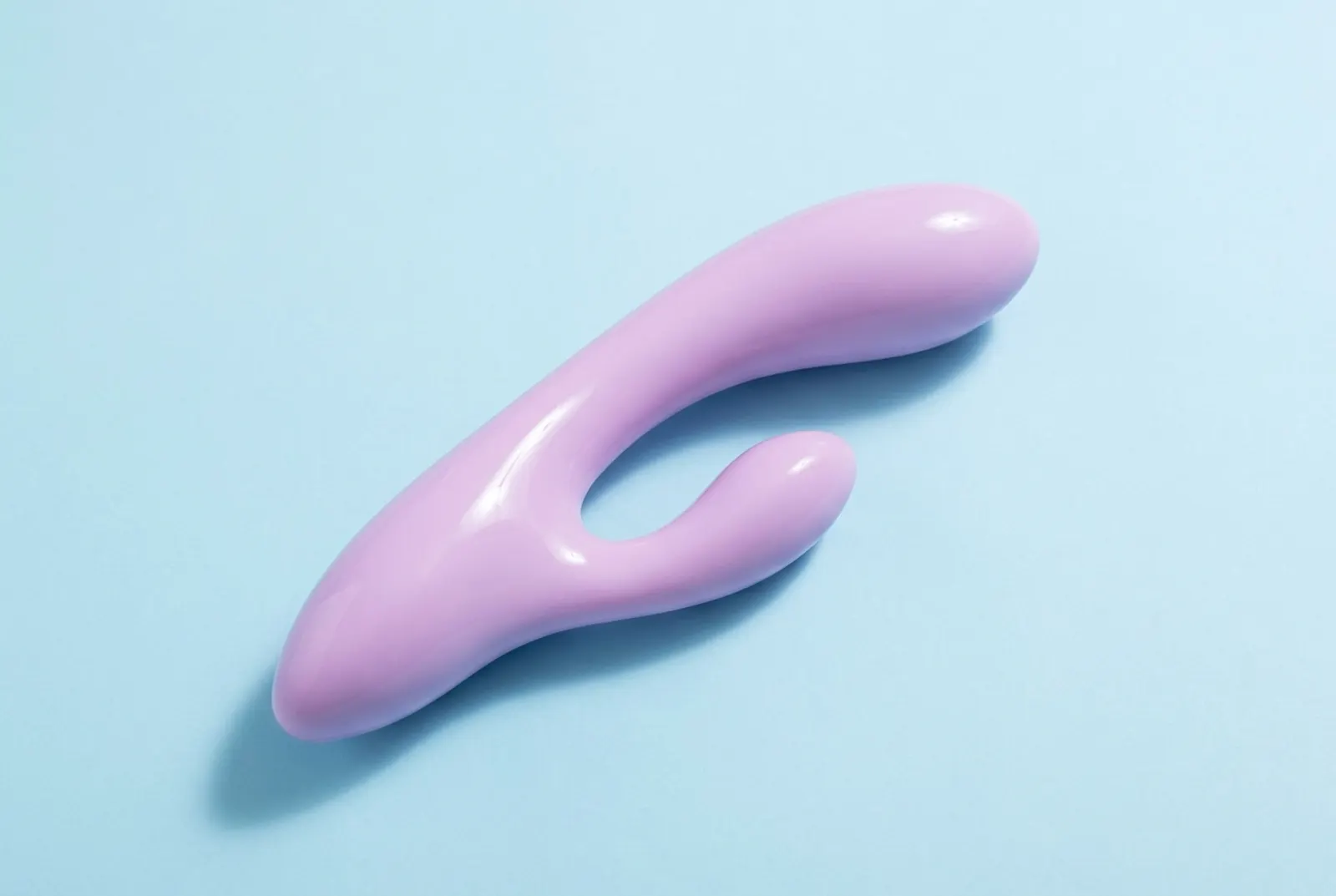
The best pelvic wand for most people is the Intimate Rose original: a curved, medical grade silicone tool designed by a pelvic floor physical therapist to press on tight, tender muscles from the inside. A pelvic wand is for a tight pelvic floor, not a weak one. Use it with water based lube, and learn it from a therapist first.
Our picks.
- Best overall: Intimate Rose Pelvic Wand (Non-Vibrating)
- Best with vibration: Intimate Rose Vibrating Pelvic Wand
- Best for reach: Intimate Rose Bendable Pelvic Wand
- Best for temperature therapy: Intimate Rose Hot/Cold Pelvic Wand
- Best companion set: Intimate Rose Silicone Dilators
- Best lube pairing: Good Clean Love Almost Naked
What a pelvic wand is for.
The pelvic floor is a sling of muscles at the base of the pelvis. Like any muscle, it can hold too much tension. When it does, it can cause pain with sex, pain inserting a tampon, a burning or aching pelvis, and sometimes bladder or bowel symptoms. Clinicians call this a hypertonic or overactive pelvic floor.
Inside those muscles there are often small, tender knots called trigger points. A pelvic floor physical therapist releases them by hand during an internal exam, pressing gently on each spot until it softens. A pelvic wand is a tool that lets you do the same thing at home, between visits. It is, in the words of the Stanford team that studied one, an extended finger.
Common reasons people are given a wand:
- Pain with sex or penetration. Including vaginismus, where the muscles tighten without your control.
- Chronic pelvic pain. When muscle tension is one of the drivers.
- After childbirth. Scar tissue and guarding can leave muscles tight and tender.
- Pelvic pain with bladder or bowel symptoms. When a therapist finds muscle tension behind them.
What a wand is not for is strengthening. If you leak when you cough or sneeze, the muscles may be weak rather than tight, and the tools are different; our kegel weights guide covers those. Using strengthening exercises on a tight pelvic floor can make pain worse, which is one more reason to get assessed first.
How pelvic floor therapists use them.
A therapist usually starts with an assessment, then works on the tender spots by hand, then teaches you to find the same spots with the wand. The homework tends to look like this:
- Relax first. Slow belly breathing helps the pelvic floor drop and soften before you start.
- Lube the wand. Water based, on the end you will use.
- Insert gently. Usually lying on your back with knees bent. The curved end goes in only as far as is comfortable.
- Find a tender spot. Your therapist will have mapped these. Press gently and hold.
- Wait for the release. Steady pressure for a short time, until the spot eases or the discomfort fades. Then move on.
- Stop on sharp pain. Pressure should feel like a deep stretch, never sharp or burning.
The 2011 Stanford pilot study is the main published evidence on wands. People with chronic pelvic pain were trained and supervised, then used a curved internal wand several times a week. Of 157 enrolled, 113 completed 6 months, and their median pain sensitivity score fell from 7.5 to 4 on a 10 point scale. No serious adverse events occurred and nobody withdrew because of side effects. Two caveats: almost all participants were men, and the wand was one part of a wider program that included relaxation training. It is a reason for cautious optimism, not proof that a wand alone fixes pain.
Cleveland Clinic lists pelvic floor physical therapy, biofeedback, relaxation techniques and trigger point injections among the treatments for pelvic floor dysfunction. A wand fits inside that plan as a way to keep up the hands on work at home.
How to choose a pelvic wand.
| Feature | What to look for | Why it matters |
|---|---|---|
| Shape | Curved ends, one shorter and one longer | Reaches shallow and deeper muscles |
| Material | Medical grade, nonporous silicone | Smooth, body safe, easy to clean |
| Handle | Long enough to hold without straining | Your arm and shoulders stay relaxed |
| Extras | Vibration, adjustable angle or temperature | Comfort features, not stronger treatment |
| Lube | Water based with silicone wands | Silicone lube can damage silicone |
Shape. Most wands have an S curve with two ends of different lengths. The shorter curve reaches muscles near the opening and the longer one reaches deeper ones. Your therapist will tell you which end to use where.
Material. Look for medical grade silicone or another smooth, nonporous material. Intimate Rose says its wands are medical grade, BPA free silicone.
Extras. Vibration can help some people relax; an adjustable angle helps if reach is hard; warming or cooling adds comfort. None of these has been shown to work better than a plain wand. Pick them for comfort, not as an upgrade in treatment.
Our picks.
Our full reviews.

Intimate Rose Pelvic Wand (Non-Vibrating)
Our take. The wand pelvic floor therapists name most, designed by a pelvic floor physical therapist, with two curved ends for reaching tender points.
Pros
- Designed by a pelvic floor physical therapist
- Two curved ends reach different muscle depths
- Medical grade silicone, BPA free
Cons
- Use water based lube only
- Best learned with a therapist first
| Category | Format |
|---|---|
| Pelvic floor | Dual ended S curve wand, medical grade silicone |

Intimate Rose Vibrating Pelvic Wand
Our take. The same therapist designed shape with a built in vibration motor, for people who find vibration helps tight muscles let go.
Pros
- Vibration option for muscle relaxation
- Same shape as the original wand
- Medical grade silicone, BPA free
Cons
- Costs more than the plain wand
- Needs charging and more careful cleaning
| Category | Format |
|---|---|
| Pelvic floor | S curve wand with vibration, medical grade silicone |

Intimate Rose Bendable Pelvic Wand
Our take. A wand you can bend to the angle you need, which helps people with limited reach or who struggle to find the right spot.
Pros
- Adjustable angle for reach
- Medical grade silicone, BPA free
- One tool for several positions
Cons
- Pricier than the fixed wand
- Use water based lube only
| Category | Format |
|---|---|
| Pelvic floor | Adjustable angle wand, medical grade silicone |

Intimate Rose Hot/Cold Pelvic Wand
Our take. A wand built to be warmed or cooled before use, for people whose therapist suggests temperature along with pressure.
Pros
- Holds warmth or cold for temperature therapy
- Therapist designed shape
- BPA free and latex free
Cons
- Follow the brand's warming and cooling directions exactly
- Pricier than the plain wand
| Category | Format |
|---|---|
| Pelvic floor | S curve wand for warm or cool temperature therapy |

Intimate Rose Silicone Dilators
Our take. The set pelvic floor therapists recommend most, with sizes that step up gently.
Pros
- Graduated sizes in small steps
- Medical grade silicone
- Designed with pelvic floor therapists
Cons
- Use water based lube only
- Pricier than plastic sets
| Category | Format |
|---|---|
| Pelvic floor | Set of 8 graduated sizes, medical grade silicone |

Good Clean Love Almost Naked
Our take. The benchmark. Aloe based, iso-osmolar, pH in the healthy range, and it does not get sticky.
Pros
- Iso-osmolar, 240 to 269 mOsm/kg
- pH 4.7, right at the healthy vaginal range
- Glycerin and paraben free
- Safe with latex condoms and silicone toys
Cons
- Thinner than a gel, so you reapply
- Faint aloe scent some people notice
| Osmolality | WHO band | pH | Glycerin free | Latex condom safe | Silicone toy safe |
|---|---|---|---|---|---|
| 240 to 269 mOsm/kg | Ideal | 4.7 | Yes | Yes | Yes |
Intimate Rose Pelvic Wand.
The original non vibrating wand, and the one pelvic floor therapists name most often. Intimate Rose says it was designed by a pelvic floor physical therapist, and it has the two ended S curve that lets you reach both shallow and deeper muscles. It earns best overall because it is the simplest version of the tool and the one most home programs are written around.
Intimate Rose Vibrating Pelvic Wand.
The same shape with a vibration motor. Some people find gentle vibration helps a guarded muscle let go, and some therapists use it that way. It costs more than the plain wand and needs charging and a little more care when cleaning.
Intimate Rose Bendable Pelvic Wand.
A wand you can bend to the angle you need. It suits people with limited hip or shoulder mobility, larger bodies, or anyone who struggles to find the right spot with a fixed curve.
Intimate Rose Hot/Cold Pelvic Wand.
Built to be warmed or cooled before use, for people whose therapist suggests temperature along with pressure. Warmth may help muscles relax and cold may calm a sore spot. Follow the brand's directions for warming and cooling exactly, and test the temperature on your inner wrist first.
- Intimate Rose Silicone Dilators, best companion set. Many pain plans pair a wand with dilators: the dilators stretch the opening in small steps and the wand works on the muscles. Our dilator guide explains how.
- Good Clean Love Almost Naked, best lube pairing. Water based, iso-osmolar at 240 to 269 mOsm/kg and pH 4.7, safe with silicone wands.
How we chose.
We chose these on published specifications, materials, design and what pelvic floor clinicians recommend, plus the one published study of an internal trigger point wand. We have not tested them hands on. We only list wands sold on Amazon from established makers. Several smaller brands sell similar curved wands, but with less information about materials and design. Lubes are graded on published osmolality and pH against the WHO thresholds; every lube we grade is on the lube index.
Wands, dilators and fingers.
Therapists often start with a fingertip, because it is warm, sensitive and easy to control. A wand adds reach and leverage, so you can press deeper muscles without straining your wrist. A dilator set does a different job: graduated sizes for getting used to penetration. Many people end up with both, using the wand to soften the muscles and the dilators to build comfort with size.
The right lube for a pelvic wand.
Most pelvic wands are silicone, so use a water based lube. Silicone lube can bond with silicone and leave it tacky. Because the tissue is often sore already, pick a lube with a low published osmolality and no glycerin, fragrance or warming agents. Our lube for pelvic pain guide has the numbers, and our water based picks list more options. If dryness is part of the pain, a moisturizer between sessions can help; how to treat vaginal dryness explains the plan.
Safety rules.
- Get assessed first. Pelvic pain has many causes, including infection, endometriosis and skin conditions, which a wand cannot treat.
- Gentle pressure only. A deep stretch is the target. Stop on sharp, burning or worsening pain.
- Short sessions. Follow your therapist's timing rather than doing more.
- Clean after every use. Mild soap and warm water, then dry. Do not share wands.
- Check for damage. Replace a wand that cracks or turns sticky.
- Know when to stop. Intimate Rose advises stopping and seeing a physician or pelvic floor specialist if symptoms do not ease within four weeks or get worse.
Avoid using a wand during pregnancy, right after pelvic surgery or with an active infection unless your clinician says it is fine.
When to see a clinician.
See a clinician or pelvic floor physical therapist before you start, especially if you do not know why you have pelvic pain. Get care promptly for bleeding, fever, unusual discharge, pain that gets worse with wand use, or new bladder or bowel symptoms. If symptoms have not improved after a few weeks of regular use, go back to your therapist so they can adjust the plan. This page is general information, not medical advice.
Frequently asked questions.
What is a pelvic wand used for?
Releasing tight, tender spots in the pelvic floor muscles, the internal massage a pelvic floor physical therapist does by hand. People use them for pain with sex, vaginismus, pelvic pain after childbirth and chronic pelvic pain, usually as homework between therapy visits.
Do pelvic wands work?
The evidence is small. A 2011 Stanford pilot study found that people with chronic pelvic pain who used an internal trigger point wand, as part of a guided program, had less pain sensitivity after 6 months and no serious side effects. There are no large trials comparing wand brands. They tend to work best when a therapist shows you where and how to press.
Can I use a pelvic wand without a physical therapist?
You can buy one without a prescription, but a first session with a pelvic floor physical therapist is worth it. They confirm the problem is tight muscle rather than something else, show you the spots to work on and set how much pressure to use.
How long should you use a pelvic wand?
Follow your therapist's plan. Sessions are usually short, a few minutes of gentle, steady pressure on each tender spot. Pressure should feel like a deep stretch, never sharp pain.
What lube should I use with a pelvic wand?
A water based lube, because most wands are silicone and silicone lube can damage silicone surfaces. A low osmolality, glycerin free formula is the gentlest choice for tissue that is already sore.
Is a pelvic wand the same as a dilator?
No. A dilator is straight and comes in graduated sizes to gently stretch the opening and get used to penetration. A wand is curved to reach and press specific muscles. Many people use both, often on the same plan.