Vaginismus, the symptoms, causes and treatments that work
Vaginismus is involuntary tightening of the muscles around the vaginal opening that makes penetration painful or impossible. What it feels like, why it happens, the treatments with evidence behind them, and how dilators and lube fit in.
By the Wet Betty editors · Published Oct 17, 2026
Fact checked against FDA 510(k) filings, WHO guidance and the sources listed below. How we review

Vaginismus is involuntary tightening of the muscles around the vaginal opening that makes penetration painful or impossible, whether with sex, a tampon or a pelvic exam. It is common and treatable. Pelvic floor physical therapy, talk therapy and graduated dilators help most people, and Cleveland Clinic reports that 4 out of 5 respond well to combined treatment.
What vaginismus is.
The pelvic floor muscles surround the vagina. In vaginismus, the muscles near the opening tighten on their own when penetration is attempted or even expected. Cleveland Clinic describes it as tensing of the vaginal muscles that is out of your control. You cannot simply decide to relax them, which is why advice to just relax does not help and often makes things worse.
Clinicians describe a few patterns:
- Primary vaginismus. Penetration has never been possible or comfortable, often discovered with a first tampon, exam or sexual experience.
- Secondary vaginismus. It starts after a time when penetration was fine, often after a painful event such as an infection, childbirth, surgery or menopause changes.
- Global or situational. It can happen with every kind of penetration, or only in some situations, for example with sex but not with tampons.
In current diagnostic manuals, vaginismus is grouped with painful sex under one heading, genito-pelvic pain and penetration disorder. Many clinicians and patients still use the word vaginismus, and so do we.
Symptoms of vaginismus.
- A feeling of a wall or blockage at the vaginal opening.
- Burning or stinging pain with attempted penetration, which the NHS describes.
- Being unable to insert a tampon, or a pelvic exam that cannot be completed.
- Fear or dread about penetration, sometimes with avoiding intimacy.
- Tightening of the legs, buttocks or breath when penetration is near.
- Desire and arousal may be completely normal. Many people with vaginismus enjoy other kinds of touch.
Cleveland Clinic notes symptoms range from mildly uncomfortable to very painful.
What causes vaginismus.
Cleveland Clinic describes a cycle of fear, tightening and pain. Fear of pain makes the muscles brace; bracing makes penetration hurt; pain makes the fear stronger. Things that can start or feed the cycle include:
- Painful past experiences. A painful pelvic exam, painful first sex, or an injury.
- Anxiety about sex. Including worry about pain, pregnancy or performance.
- Beliefs and upbringing. Negative messages about sex or the body.
- Trauma. Sexual assault or abuse. A trauma informed therapist matters here.
- Physical conditions. Infections such as thrush, which the NHS mentions, vulvar skin conditions, pelvic pain, and low estrogen around menopause or while breastfeeding.
Often there is no single cause. That is normal, and it does not change the treatment.
How vaginismus is diagnosed.
A clinician asks about your symptoms, when they started and your sexual and medical history. They may suggest a gentle exam to rule out other causes of pain, but only with your consent and at your pace. You can ask for a smaller speculum, to insert it yourself, to stop at any point, or to postpone the exam. The NHS notes you can ask for a female doctor and bring someone with you. ACOG's guidance on painful sex lists the other conditions a clinician will think about, and our guide to burning after sex covers the common irritants.
Treatments for vaginismus.
Cleveland Clinic lists three core treatments, and most plans use more than one.
Pelvic floor physical therapy. A pelvic floor physical therapist teaches you to feel, relax and control the muscles. Expect breathing work, relaxation, education about anatomy, gentle hands on work, and a home program. Some therapists also use biofeedback or a curved pelvic wand to release tight spots.
Talk therapy. A psychologist or sex therapist works on the fear and pain cycle. The NHS describes psychosexual therapy and sensate focus, a structured set of touch exercises that takes the pressure off penetration while a couple rebuilds comfort.
Dilator therapy. Graduated vaginal dilators, which the NHS calls vaginal trainers, let you get used to penetration in small steps, starting with a size that feels easy. You stay in control of the pace, which is the point.
Other options exist for cases that do not respond, including injections of botulinum toxin into the muscles, which some specialists use. Ask a specialist whether they are right for you.
The 2018 meta-analysis in the Journal of Sexual Medicine pooled 43 observational studies and found treatment was followed by completed penetration in 79 percent of cases, with no single approach clearly better than another. Cleveland Clinic reports that 4 out of 5 women responded well to treatment involving more than one therapy, and that improvement usually takes several weeks to months.
| Treatment | What it does | Who leads it |
|---|---|---|
| Pelvic floor physical therapy | Teaches muscle awareness and relaxation | Pelvic floor physical therapist |
| Talk therapy | Breaks the fear, tightening and pain cycle | Psychologist or sex therapist |
| Sensate focus | Rebuilds comfort with touch, no pressure | Sex therapist, at home with a partner |
| Dilators | Gradual, controlled exposure to penetration | You, guided by a therapist |
| Treating physical causes | Clears infections, skin issues, low estrogen | Gynecologist or primary care clinician |
Dilators and lube.

Our take. The set pelvic floor therapists recommend most, with sizes that step up gently.
Pros
- Graduated sizes in small steps
- Medical grade silicone
- Designed with pelvic floor therapists
Cons
- Use water based lube only
- Pricier than plastic sets
| Category | Format |
|---|---|
| Pelvic floor | Set of 8 graduated sizes, medical grade silicone |
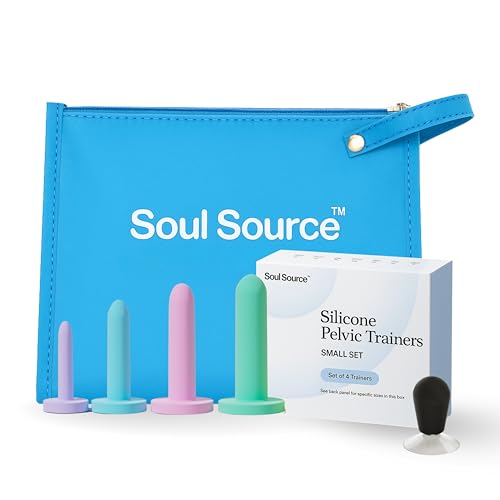
Our take. Soft medical grade silicone in small steps, from a maker that has supplied pelvic floor clinics for years, per the brand.
Pros
- Soft, body warm silicone
- Small sizes for a gentle start
- Larger set sold separately when ready
Cons
- Water based lube only
- Pricier than plastic sets
| Category | Format |
|---|---|
| Pelvic floor | 4 graduated silicone dilators |

Our take. The benchmark. Aloe based, iso-osmolar, pH in the healthy range, and it does not get sticky.
Pros
- Iso-osmolar, 240 to 269 mOsm/kg
- pH 4.7, right at the healthy vaginal range
- Glycerin and paraben free
- Safe with latex condoms and silicone toys
Cons
- Thinner than a gel, so you reapply
- Faint aloe scent some people notice
| Osmolality | WHO band | pH | Glycerin free | Latex condom safe | Silicone toy safe |
|---|---|---|---|---|---|
| 240 to 269 mOsm/kg | Ideal | 4.7 | Yes | Yes | Yes |

Our take. Thin, clean, very low osmolality. Reapply more often than a gel.
Pros
- 106 mOsm/kg, one of the lowest on the index
- Glycerin free, vegan, organic botanicals
- Works with condoms and every toy
Cons
- Very thin, reapply often
- Plant extracts can bother very reactive skin
| Osmolality | WHO band | pH | Glycerin free | Latex condom safe | Silicone toy safe |
|---|---|---|---|---|---|
| 106 mOsm/kg | Ideal | 4 to 4.4 | Yes | Yes | Yes |
A dilator set should start small, step up in small increments and be easy to hold. Soft medical grade silicone sets such as Intimate Rose and Soul Source are popular for vaginismus because they feel gentler for the first sizes. Our dilator guide has a step by step way to begin.
With silicone dilators, use a water based lube. Silicone lube can damage silicone surfaces. Pick one with a low published osmolality and no glycerin, fragrance or warming agents, because irritated tissue makes the fear cycle worse. Good Clean Love Almost Naked is iso-osmolar at 240 to 269 mOsm/kg, and Sliquid Organics Natural is glycerin free at 106 mOsm/kg. Our lube for pelvic pain guide covers the numbers, and the lube osmolality explainer shows why they matter.
Numbing creams and desensitizing lubes come up often. Most clinicians are cautious about them for vaginismus, because pain is useful feedback while you learn to relax, and numbed tissue is easier to injure. Use one only if your clinician suggests it.
Living with vaginismus.
Vaginismus does not mean anything is wrong with your relationship or your desire. Many couples keep intimacy going with non penetrative touch while treatment works, and sensate focus is built around exactly that. If dryness or low estrogen is part of the picture, how to treat vaginal dryness covers moisturizers and the prescription options to ask about. Progress is rarely a straight line. Short, regular practice tends to beat long, occasional sessions.
When to see a clinician.
See a gynecologist, primary care clinician or sexual health clinic if penetration is painful or impossible, or if you cannot use tampons or complete a pelvic exam. Ask for a referral to a pelvic floor physical therapist and, if fear or past trauma is part of it, a therapist who works with sexual pain. Get prompt care for bleeding, unusual discharge, sores or fever. This page is general information, not medical advice.
Frequently asked questions.
What does vaginismus feel like?
Many people describe a wall or a blockage at the opening, or a burning, stinging pain when anything tries to go in. The muscles tighten on their own, so trying harder does not help. It can happen with sex, tampons, fingers or a pelvic exam, or only in some of those situations.
Is vaginismus physical or psychological?
Both, usually. The tightening is a real muscle response, and it is often linked to fear of pain, past painful experiences or anxiety. Physical problems such as infections, skin conditions or low estrogen can start or keep the cycle going. That is why treatment usually combines body and mind.
Can vaginismus be cured?
Most people improve a great deal. Cleveland Clinic reports that 4 out of 5 women responded well to treatment involving more than one therapy, and a 2018 meta-analysis found completed penetration after treatment in about 79 percent of cases. Progress usually takes weeks to months.
Do dilators help vaginismus?
Yes, as part of a plan. Dilators let you get used to penetration in small, controlled steps while you practice relaxing the pelvic floor. They work best with guidance from a pelvic floor physical therapist and often alongside talk therapy.
Can I have vaginismus if I have had sex before?
Yes. Secondary vaginismus starts after a time of comfortable penetration, often after a painful experience such as an infection, childbirth, surgery or menopause changes.
What lube is best for vaginismus?
A gentle water based lube with a low published osmolality and no glycerin, fragrance or warming agents, used generously. Water based is also safe with silicone dilators. Avoid numbing lubes unless a clinician suggests one, because pain is useful feedback while you learn to relax.