The best prenatal vitamins, checked against ACOG and CDC targets (2026)
Four widely sold prenatal vitamins compared line by line against what ACOG and the CDC say you need: folic acid or methylfolate, iron, iodine, choline and DHA. Plus what third party testing means, why choline is the usual gap, and when to start.
By the Wet Betty editors · Published Oct 17, 2026
Fact checked against FDA 510(k) filings, WHO guidance and the sources listed below. How we review
The best prenatal vitamins have at least 400 mcg of folic acid, iron near 27 mg, iodine, and ideally DHA and choline, per ACOG. One A Day Prenatal Advanced covers the most of those in a drugstore box. Nature Made Prenatal Multi plus DHA is the simplest USP Verified one pill choice. Start at least a month before pregnancy.
Our picks.
One A Day Prenatal Advanced covers the most ACOG targets in a drugstore box; Nature Made is the simplest USP Verified one pill option. Whatever you pick, plan to get most of your choline from food.
- Best overall: One A Day Prenatal Advanced
- Best one pill, USP Verified: Nature Made Prenatal Multi + DHA
- Best methylfolate with iron: Thorne Basic Prenatal
- Most DHA: Ritual Essential Prenatal Multivitamin
The short version.
A prenatal vitamin has one non negotiable job: folic acid, started before pregnancy, to help prevent neural tube defects. Everything else is about closing gaps your diet leaves, mainly iron, iodine, choline and omega 3 DHA. No pill covers choline fully, so food does part of the work. The differences between brands come down to folate form, how much iron, whether DHA is included, how many pills a day, and whether an independent lab has checked the bottle.
How we chose.
We did not take these vitamins and make no claim about how they felt or worked in anyone. We compared supplement facts panels against published targets:
- ACOG's daily pregnancy targets: 400 mcg folic acid from a supplement, 27 mg iron, 220 mcg iodine and 450 mg choline, plus omega 3 fats from fish.
- The CDC's position that folic acid is the only form of folate shown to prevent neural tube defects.
- The label itself: each nutrient amount and form, and the number of pills in a daily serving.
- Third party testing: USP Verified or NSF marks, or the brand's own third party testing statement.
- Availability on Amazon from an established brand, so you can buy the same product again.
We do not give doses beyond this: take one daily serving as the label says, and follow your clinician.
Our full reviews.

One A Day Prenatal Advanced
Our take. Folic acid, iron, iodine and DHA in a softgel, plus a separate choline tablet. The most complete drugstore prenatal.
Pros
- 800 mcg folic acid (1,330 mcg DFE), 27 mg iron, 150 mcg iodine
- 200 mg DHA
- Separate tablet adds 110 mg choline
Cons
- Two pills a day
- Choline still well under the 450 mg pregnancy target
| Category | Format |
|---|---|
| Supplement | 30 softgels plus 30 choline tablets |

Nature Made Prenatal Multi + DHA
Our take. One USP Verified softgel with folic acid, iron, iodine and DHA. The simplest prenatal that covers the core label checks.
Pros
- 800 mcg folic acid (1,330 mcg DFE) and 27 mg iron
- 150 mcg iodine and DHA in the same softgel
- USP Verified
Cons
- No choline
- Iron in a once daily pill can upset some stomachs
| Category | Format |
|---|---|
| Supplement | 110 softgels, one a day |
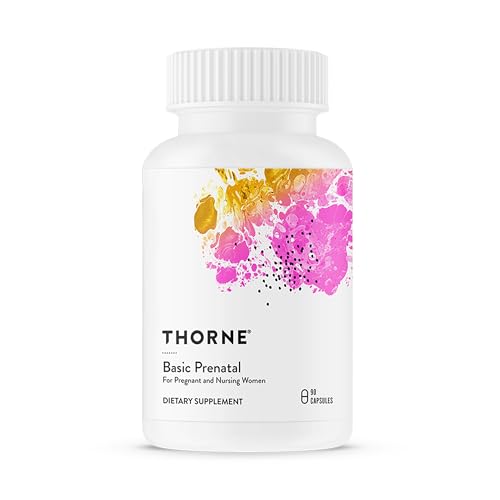
Thorne Basic Prenatal
Our take. A three capsule prenatal with methylfolate and high iron, from a brand that sells NSF certified products. Add DHA separately.
Pros
- Folate as 5-MTHF, 1.7 mg DFE
- 45 mg iron bisglycinate and 150 mcg iodine
- Listed as NSF Certified for Sport on Amazon
Cons
- No DHA
- Three capsules a day
| Category | Format |
|---|---|
| Supplement | 90 capsules, three a day |

Our take. Two capsules with the most DHA of our picks and methylfolate, but light on iron and choline, so plan to fill gaps.
Pros
- 350 mg DHA from algae
- Folate as methylfolate, 1,000 mcg DFE
- Ritual says it is third party tested for heavy metals
Cons
- 18 mg iron, under the 27 mg pregnancy target
- Only 55 mg choline and no calcium
| Category | Format |
|---|---|
| Supplement | 60 capsules, two a day |
The picks, one by one.
One A Day Prenatal Advanced, best overall.
One A Day Prenatal Advanced is a softgel plus a separate choline tablet each day. The serving has 800 mcg folic acid (1,330 mcg DFE), 27 mg iron, 150 mcg iodine, 200 mg DHA and 110 mg choline, by its label. That is the folic acid form the CDC backs, iron that matches ACOG's target, DHA in the box, and more choline than most. The trade offs are two pills, and choline that still sits far below 450 mg.
Nature Made Prenatal Multi plus DHA, best one pill, USP Verified.
Nature Made Prenatal is a single daily softgel with 800 mcg folic acid (1,330 mcg DFE), 27 mg iron, 150 mcg iodine, vitamin D3 and DHA, per Nature Made. It carries the USP Verified mark, meaning USP tested the ingredients and potency and checked the manufacturing. It has no choline. If simplicity is what keeps you taking a vitamin every day, this is the one.
Thorne Basic Prenatal, best methylfolate with iron.
Thorne Basic Prenatal is three capsules a day with folate as 5-MTHF (1.7 mg DFE), 45 mg iron as bisglycinate, 150 mcg iodine and 110 mg choline, per its supplement facts. Its Amazon listing says NSF Certified for Sport. It has no DHA, so pair it with fish or a separate DHA product. The iron is well above 27 mg, which suits some people and not others; ask your clinician, especially if iron upsets your stomach. Read our methylfolate note below before choosing it.
Ritual Essential Prenatal, most DHA.
Ritual Essential Prenatal is two capsules with 350 mg DHA from algae, the most of our picks, plus folate as methylfolate (1,000 mcg DFE), 18 mg iron, 150 mcg iodine and 55 mg choline, per Ritual. Ritual says it is third party tested for heavy metals. It has no calcium, iron is below ACOG's 27 mg target, and choline is low, so it suits someone who eats well and wants vegan DHA, with the gaps covered by food or a clinician's advice.
Prenatal vitamins compared.
| Prenatal | Folate (form, amount) | Iron | Iodine | Choline | DHA | Pills a day | Testing |
|---|---|---|---|---|---|---|---|
| ACOG target | 400 mcg folic acid | 27 mg | 220 mcg total | 450 mg total | Fish 2 to 3 times a week | One serving | |
| One A Day Prenatal Advanced | Folic acid, 1,330 mcg DFE | 27 mg | 150 mcg | 110 mg | 200 mg | 2 | |
| Nature Made Prenatal Multi plus DHA | Folic acid, 1,330 mcg DFE | 27 mg | 150 mcg | None | Yes | 1 | USP Verified |
| Thorne Basic Prenatal | 5-MTHF, 1.7 mg DFE | 45 mg | 150 mcg | 110 mg | None | 3 | NSF Certified for Sport, per listing |
| Ritual Essential Prenatal | Methylfolate, 1,000 mcg DFE | 18 mg | 150 mcg | 55 mg | 350 mg | 2 | Brand states third party tested |
Folic acid versus methylfolate.
This is the most argued about line on a prenatal label. Folic acid is the synthetic form of folate. Methylfolate, written as 5-MTHF or L-methylfolate, is an active form that some brands promote for people with MTHFR gene variants.
The CDC's position is direct. Folic acid is the only type of folate shown to help prevent neural tube defects, and no studies show other forms prevent them. The CDC also says there are no clinical recommendations to test for MTHFR or to change folate intake based on it, and that 400 mcg of folic acid raises blood folate regardless of MTHFR genotype. That is why our top two picks use folic acid. If you prefer a methylfolate prenatal, talk it through with your clinician rather than choosing on marketing.
DFE on the label. Folate is listed in dietary folate equivalents. Folic acid is absorbed better than food folate, so 800 mcg of folic acid shows as 1,330 mcg DFE.
Iodine, choline, DHA and iron.
Iodine. ACOG sets 220 mcg a day in pregnancy for brain development, from all sources. Most prenatals carry 150 mcg, and iodized salt, dairy, seafood and eggs supply the rest. Check that yours has iodine at all; some do not.
Choline. ACOG recommends 450 mg a day and notes choline is not in most prenatal vitamins. Eggs, meat, milk, soy and peanuts are the main food sources. Our highest pick has 110 mg. Ask your clinician whether you need a separate choline supplement.
DHA. ACOG recommends two to three servings of fish or shellfish a week, avoiding high mercury fish such as bigeye tuna, king mackerel, marlin, orange roughy, shark, swordfish and tilefish. If you do not eat fish, a prenatal with DHA or a separate algae or fish oil DHA product fills that gap.
Iron. ACOG's target is 27 mg. Iron can upset the stomach or cause constipation; if it does, tell your clinician rather than stopping the vitamin.
Third party testing.
The FDA does not review prenatal vitamins for safety or effectiveness before they are sold. Independent marks are the closest thing to a check. USP Verified means USP tested what is in the product and audited how it is made. NSF certification is a similar independent program. A brand saying "third party tested" is better than nothing, but it is the brand's statement, not a public certification. Look for the mark on the bottle, not just the website.
Related reading.
Pregnancy and postpartum change your body in ways prenatal vitamins do not touch. Postpartum dryness explains why sex can feel different while breastfeeding. Pregnancy raises UTI risk, and can lube cause a UTI covers prevention. Lube and condoms explains which lubes are safe with which materials, and best water based lube and lube ingredients to avoid help you pick a gentle one. If you are still trying, see best ovulation tests and best pregnancy tests.
When to see a clinician.
Talk to a clinician before you start if you have had a pregnancy affected by a neural tube defect, since ACOG and the CDC advise a much higher folic acid amount taken as a separate supplement under care. Do the same if you have anemia, a thyroid condition, a gastric bypass, a vegan diet, epilepsy or diabetes, or take other medicines. Never double up on a prenatal to make up for a missed nutrient; ACOG notes some ingredients, such as vitamin A, can cause birth defects at higher doses. This page is general information, not medical advice.
Frequently asked questions.
What is the best prenatal vitamin?
The one that meets the core targets and that you will take every day. On labels, One A Day Prenatal Advanced covers folic acid, 27 mg iron, iodine, DHA and some choline. Nature Made Prenatal Multi plus DHA is the simplest USP Verified one pill choice. Ask your clinician if you have anemia or other needs.
Is methylfolate better than folic acid?
Not for preventing neural tube defects, according to the CDC, which says folic acid is the only form shown to help prevent them. Methylfolate prenatals are popular, and the CDC also says MTHFR gene variants do not change the folic acid recommendation. If you choose methylfolate, discuss it with your clinician.
When should I start taking prenatal vitamins?
ACOG says at least 1 month before pregnancy, with at least 400 mcg of folic acid daily, and through pregnancy. The CDC says everyone who could become pregnant should get 400 mcg of folic acid daily, whether or not they are planning a pregnancy.
Do prenatal vitamins have enough choline?
Usually not. ACOG recommends 450 mg a day in pregnancy and notes choline is not in most prenatal vitamins. Of our picks, the most is 110 mg. Eggs, meat, milk, soy and peanuts help close the gap.
Do I need a separate DHA supplement?
ACOG recommends two to three servings of low mercury fish or shellfish a week. If you do not eat fish, a prenatal with DHA or a separate DHA supplement is a common fix. Ask your clinician.
Can I take two prenatal vitamins to get more nutrients?
No. ACOG warns against taking more than the recommended serving, because some ingredients, such as vitamin A, can cause birth defects at double or triple doses. Take one serving as the label says.