Boric acid suppositories, what they are used for and who should not use them
An old remedy with a real place in modern guidelines, for bacterial vaginosis that keeps coming back and yeast that azole creams do not clear. What the evidence says, the safety rules that are not optional, and when to see a clinician instead.
By the Wet Betty editors · Published Oct 17, 2026
Fact checked against FDA 510(k) filings, WHO guidance and the sources listed below. How we review
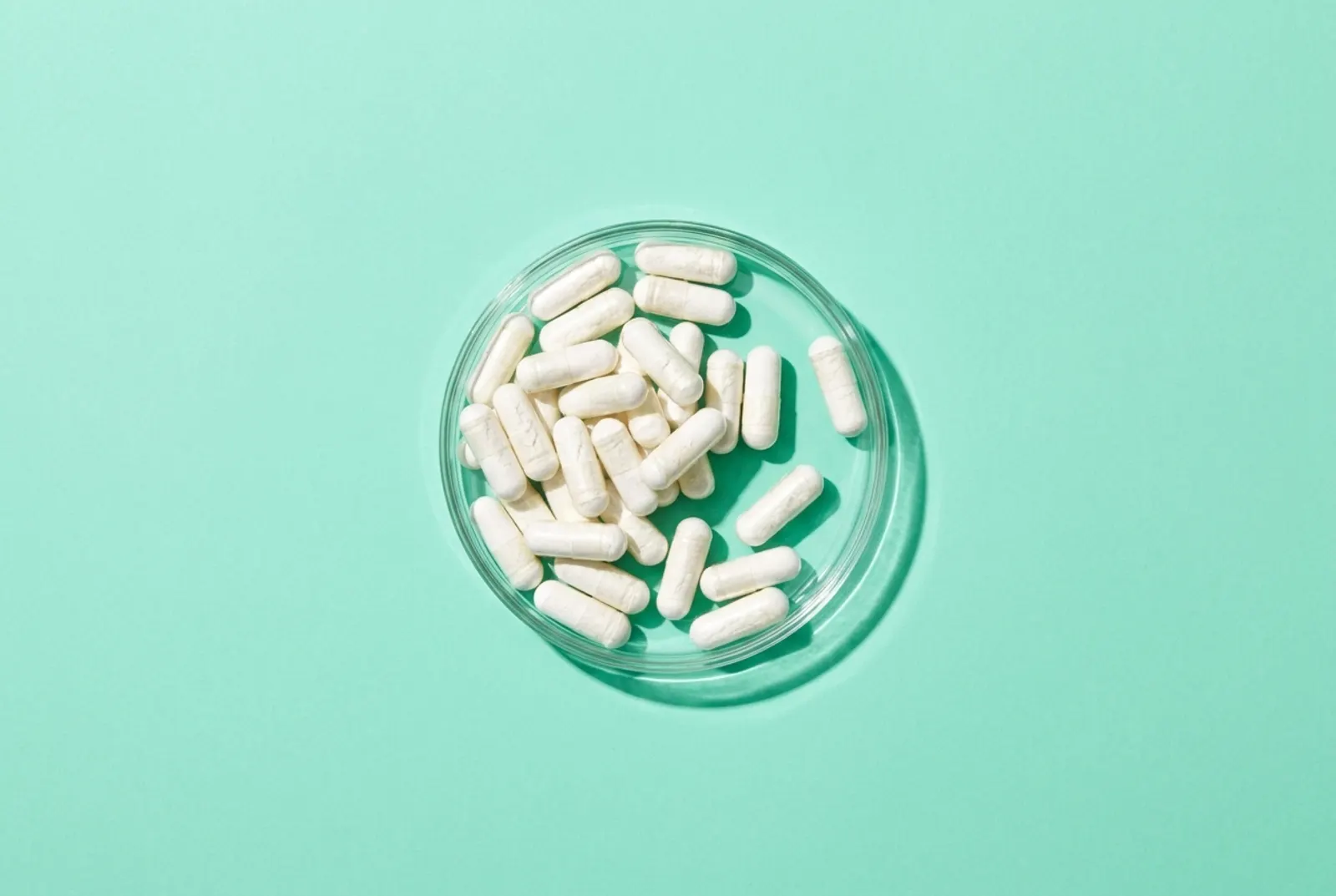
Boric acid suppositories are capsules inserted into the vagina, used mainly for bacterial vaginosis that keeps coming back and for yeast infections that standard antifungals do not clear. The CDC lists them as an option clinicians may use. They are toxic if swallowed, never for use in pregnancy, and best started after a diagnosis, not before.
What boric acid is.
Boric acid is a mild acid made from boron. It is also sold as a household insecticide, which tells you why swallowing it is dangerous. For vaginal use it comes as a powder sealed in a capsule that dissolves inside the vagina. It works against the bacteria behind BV and against several types of yeast, including some that resist standard antifungals.
It is not a new idea. Clinicians have used it for decades. What has changed is that it is now sold over the counter, which is why it shows up in so many searches. The over the counter version is the same compound clinicians have prescribed. What you lose without a clinician is the diagnosis.
What the evidence says.
The evidence is real but narrow. Boric acid is good at a few specific jobs.
| Use | What the evidence shows | Where it fits |
|---|---|---|
| Recurrent bacterial vaginosis | Included in CDC guidelines as part of a regimen for multiple recurrences | After a prescription antibiotic, under a clinician's plan |
| Non-albicans yeast (such as C. glabrata) | CDC cites eradication rates of about 70 percent | When standard azole antifungals fail |
| Recurrent or azole resistant yeast | 2011 review of 14 studies, mycologic cure 40 to 100 percent | An alternative when conventional treatment fails |
| A first, undiagnosed odor or itch | No good evidence | See a clinician first |
| Trichomoniasis | Being studied; not a standard treatment | Needs prescription treatment |
Recurrent BV. The CDC treatment guidelines describe a regimen for women with multiple recurrences: a course of a prescription antibiotic, then vaginal boric acid, then suppressive treatment. Boric acid is one piece of a plan, not the whole plan.
Stubborn yeast. Most yeast infections are caused by Candida albicans and clear with standard antifungal creams or tablets. A minority are caused by other species, such as Candida glabrata, which often resist those drugs. The CDC lists vaginal boric acid for these, with clinical and mycologic eradication rates of about 70 percent. A 2011 review in the Journal of Women's Health pooled 14 studies and concluded boric acid is a safe, economic alternative when conventional treatment fails.
What it is not. It is not a deodorant, a pH tune up, or a routine cleanse. Using it on a smell nobody has diagnosed can mean treating the wrong thing, and trichomoniasis, a common STI with a similar smell, needs prescription treatment.
How it is used.
In general terms: one capsule goes into the vagina, often at night, and it dissolves over several hours. Watery discharge is common, which is why pH-D suggests wearing a panty liner. How often and for how long depends on what is being treated, so follow the product's label and your clinician. Wash your hands before and after.
Who must not use it.
These are not fine print. They are the reason to read this section twice.
- Pregnancy. Guidelines recommend avoiding vaginal boric acid in pregnancy. A 2021 safety review found the data on harms in pregnancy limited, not reassuring enough to change that advice.
- Never by mouth. Boric acid is toxic if swallowed. Store it like a medicine, out of reach of children and pets. If someone swallows it, call Poison Control at 1-800-222-1222.
- Broken or irritated skin. Do not use it on sores, cuts or very inflamed tissue.
- Without a diagnosis, for the first time. Get a diagnosis before reaching for it.
- Oral sex during use. Skip oral sex while you are using boric acid. It is toxic if swallowed.
Side effects.
Studies report mild vaginal burning in fewer than 10 percent of users, watery discharge and some redness. The 2021 review in Sexually Transmitted Diseases concluded that, despite gaps, boric acid appears safe at the doses clinicians commonly prescribe. It also noted that boric acid is not an FDA approved drug and that safety data are sparse. Stop and call your clinician if burning is strong, you develop sores, or symptoms get worse.
If you buy it over the counter.
Pick a product sold specifically for vaginal use, with sealed capsules and clear instructions. Do not make your own from household boric acid. pH-D is the best known over the counter brand.

Pros
- Single ingredient, 600 mg
- Widely available
- Clear instructions
Cons
- Toxic if swallowed, keep away from children and pets
- Not for use in pregnancy
- Follow the label on timing around sex
| Category | Format | Brand |
|---|---|---|
| Vaginal health | 30 suppositories, 600 mg | pH-D Feminine Health |
Our take. The best known boric acid suppository. Used for recurrent imbalance after a diagnosis, never during pregnancy and never by mouth.
When to see a clinician.
See a clinician before your first use, and any time you have a new smell, discharge, itching or burning that has not been diagnosed. Go back if symptoms return after treatment, or if they come back more than a few times a year, since recurrent BV and recurrent yeast both have prescription options. Get care right away if you are pregnant and have symptoms, or if you have fever, pelvic pain or sores. This page is general information, not medical advice.
Frequently asked questions.
What is boric acid used for vaginally?
Mainly for bacterial vaginosis that keeps coming back and for yeast infections caused by non-albicans Candida, which often resist standard antifungal creams. Clinicians usually suggest it after a diagnosis, often alongside or after prescription treatment.
Does boric acid get rid of BV for good?
Not on its own. In the CDC guidelines it appears as part of a plan for recurrent BV that starts with a prescription antibiotic, then uses boric acid and other suppressive treatment. Recurrence is common, so follow up with your clinician.
Can I use boric acid while pregnant?
No. Current guidelines recommend avoiding vaginal boric acid in pregnancy, and the safety data in pregnancy are limited. If you are pregnant or trying to conceive, ask your clinician about other options.
Can my partner give me oral sex while I use boric acid?
Skip it during a course. Boric acid is toxic if swallowed, and a partner's mouth is the obvious route. For vaginal sex, wait until the suppository has fully dissolved; pH-D says that takes 4 to 12 hours, and sex sooner can irritate both of you.
Why does boric acid burn?
Mild burning, watery discharge and redness are the side effects reported most in studies. If burning is strong, or you have sores or broken skin, stop and call your clinician.