How do you use lube?
More than you think, on both of you, before anything starts, and again when it fades. The short course on applying lube, with condoms, with toys, and the water based versus silicone call.
By the Wet Betty editors · Published Oct 17, 2026
Fact checked against FDA 510(k) filings, WHO guidance and the sources listed below. How we review
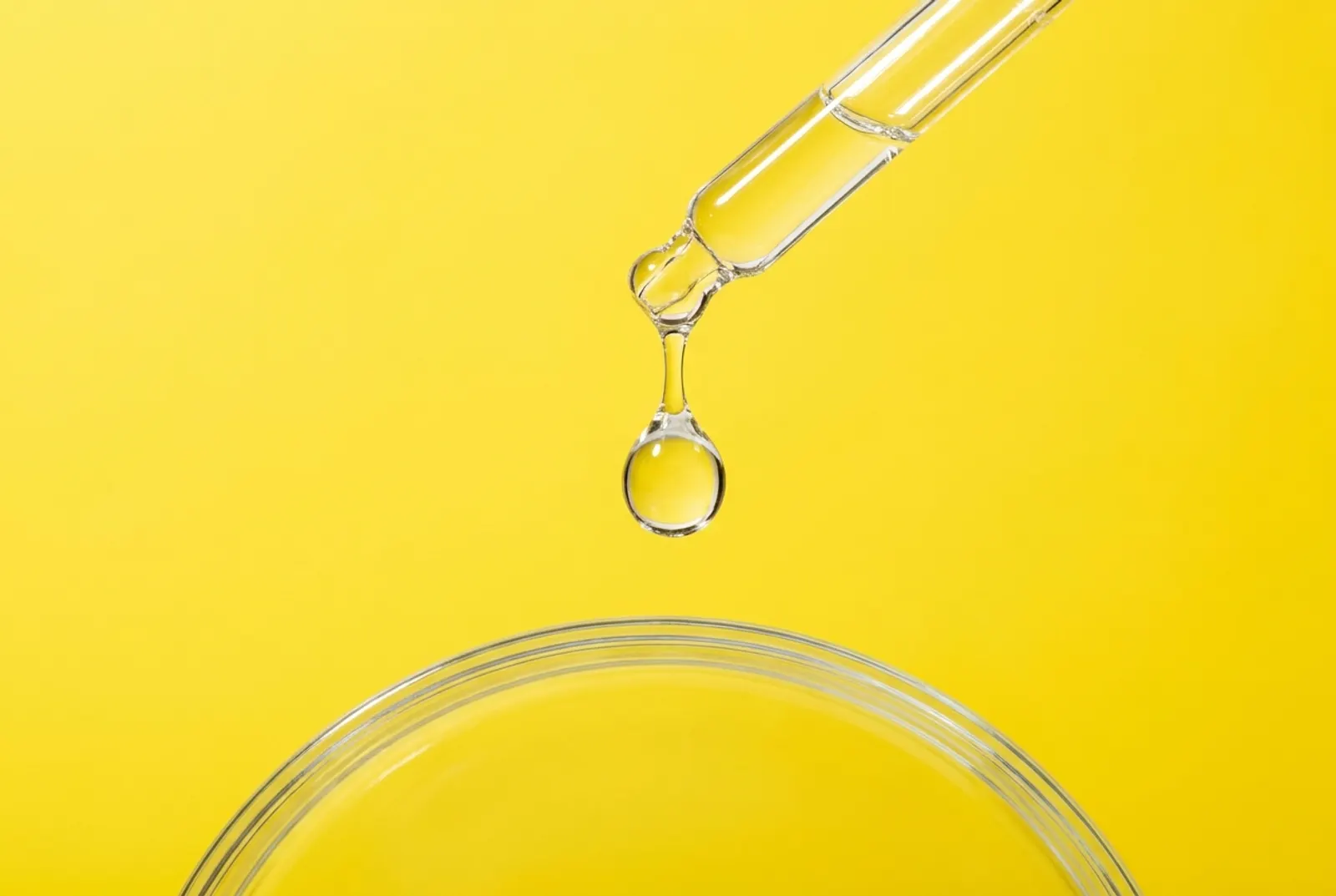
How to use lube: put a coin sized amount on your fingers, warm it for a few seconds, and apply it to both partners before anything starts, not after friction shows up. Reapply whenever things feel dry or sticky. Water based works with every condom and toy; silicone lasts longer but stays off silicone toys.
How much.
More than you think. The usual mistake is a pea sized dab that disappears in thirty seconds, followed by the conclusion that lube does not work. Start with a coin sized amount, about a teaspoon, and add more without ceremony. Too much is a towel problem. Too little is a friction problem, and friction is what lube exists to solve.
Lube from a pump or a bottle goes on cold. Squeeze it into your palm or fingers and rub for a few seconds before it touches anyone. Silicone lube is thinner than it looks; a few drops cover a lot.
Where it goes.
On both of you. Lube on one surface and not the other means the dry surface drags. For vaginal sex that means the opening and a little inside, plus the penis or toy. For anal sex it means a lot more, inside and out, because the body makes none of its own there; best lube for anal covers the thicker options. For toys, coat the toy and the body.
When, and when again.
Before. Lube added after things have already started to chafe is damage control. Put it on early, as part of foreplay, and nobody has to pause.
Then again when it fades. Water based lube absorbs into the skin and evaporates, so it can need topping up within 10 to 20 minutes. If it has gone tacky, a few drops of water or a wet finger brings it back. Silicone lube does not absorb or dry, so one application usually lasts the whole time.
With condoms.
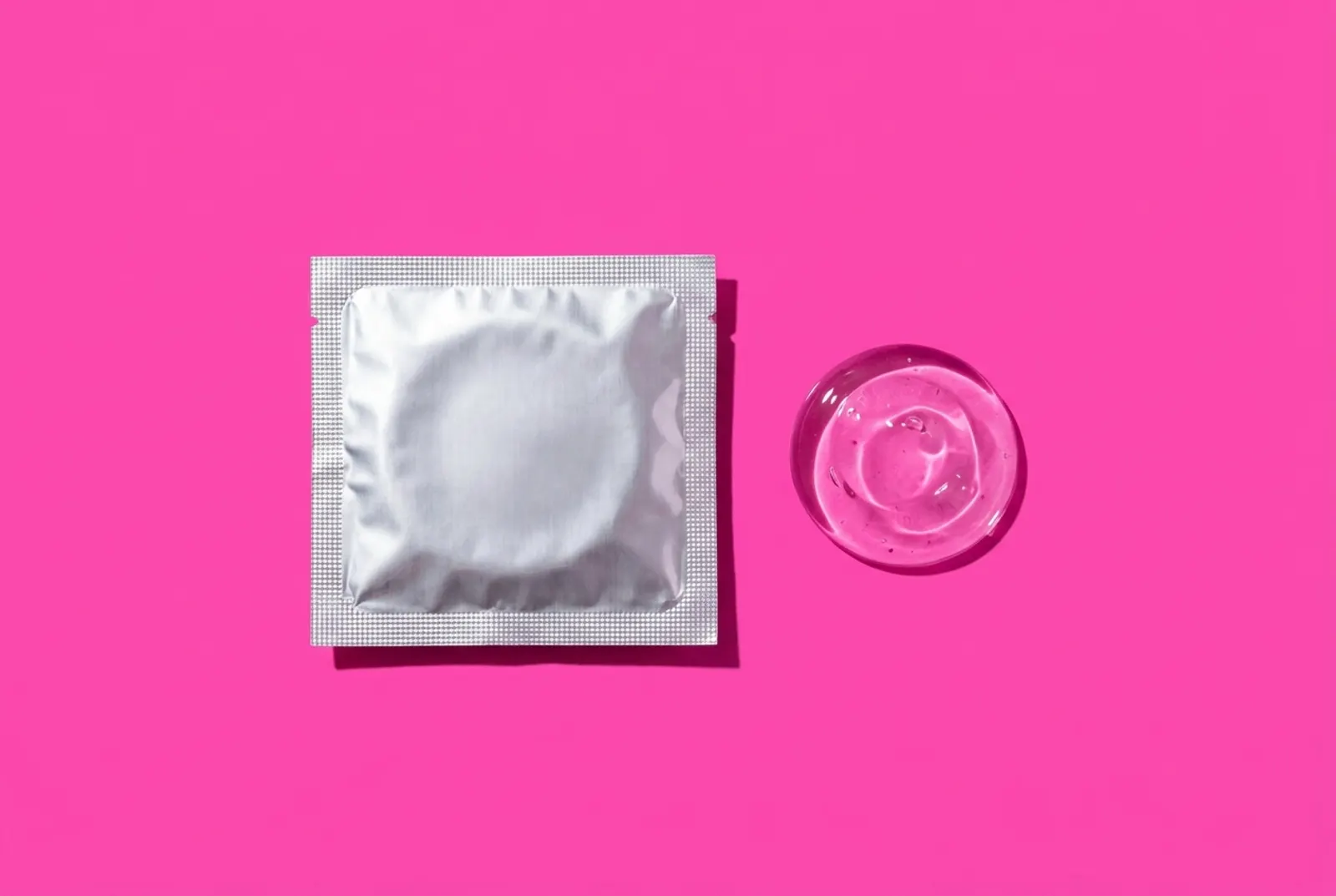
Water based and silicone lube are both safe on latex and polyisoprene condoms. Oil of any kind is not; the WHO advisory on lubricants lists oils, petroleum jelly and mineral oil as products that damage latex. A drop inside the tip of the condom before rolling it on adds sensation for the wearer. A layer on the outside once it is on cuts friction and lowers the chance of a break. The full material by material table is in lube and condoms.
With toys.
Water based lube goes with everything. Silicone lube can soften the surface of silicone toys over time, so keep silicone lube for glass, steel, hard plastic and skin. If you are not sure what a toy is made of, use water based. Every material is covered in lube for sex toys.
Water based or silicone.
Water based is the all rounder: condom safe, toy safe, rinses away, and the good ones sit in the WHO ideal osmolality band of 380 mOsm/kg or under, explained in lube osmolality explained. Good Clean Love Almost Naked measures 240 to 269 and has a pH of 4.7, close to the vaginal range of 3.8 to 4.5. The ranked list is best water based lube. It needs reapplying, and that is the whole trade off.
Silicone is the long haul option. A few drops last through anything, it works in water, and osmolality does not apply because there is no water in it. Uberlube is three silicones and vitamin E. It does not rinse off with water alone, so soap afterward, and it stays away from silicone toys.
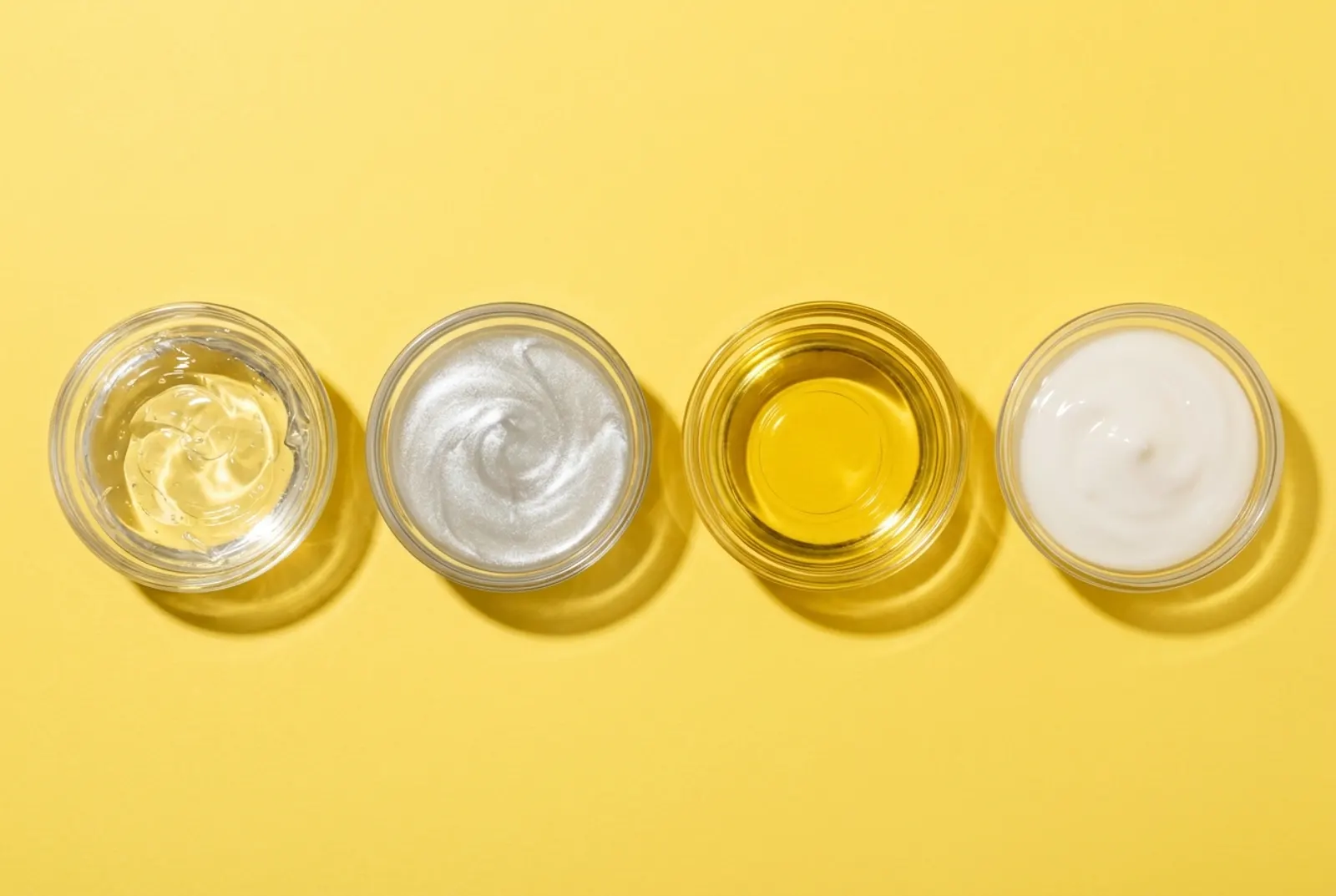
Most people end up with one of each: water based on the nightstand, silicone for the shower and for when reapplying is a hassle. The four bases are compared side by side in types of lube.
In the shower.
Water rinses water based lube away almost immediately, so silicone is the one that works in the shower or bath. Two cautions. Silicone on a tile or tub floor is as slippery as it is on skin, so apply it away from where you stand and rinse the floor after. And it needs soap to come off skin.
Pregnancy, postpartum and menopause.
Lube is fine in pregnancy for most people. After birth and while breastfeeding, low estrogen often makes tissue dry and tender for months, and a gentle, low osmolality lube helps; see postpartum dryness. Menopause brings the same dryness for longer, and silicone plus a vaginal moisturizer between times is the usual pairing.
Cleanup.
A warm, wet cloth handles water based lube. Silicone needs a little soap on skin, never inside. Peeing after sex helps flush the urethra, which matters more than which lube you used if UTIs are a pattern; see can lube cause a UTI. Skip douching, which disrupts the vagina's own pH.
Nothing here is medical advice; pain or irritation that does not go away is a reason to see a clinician.

Our take. The benchmark. Aloe based, iso-osmolar, pH in the healthy range, and it does not get sticky.
Pros
- Iso-osmolar, 240 to 269 mOsm/kg
- pH 4.7, right at the healthy vaginal range
- Glycerin and paraben free
- Safe with latex condoms and silicone toys
Cons
- Thinner than a gel, so you reapply
- Faint aloe scent some people notice
| Osmolality | WHO band | pH | Glycerin free | Latex condom safe | Silicone toy safe |
|---|---|---|---|---|---|
| 240 to 269 mOsm/kg | Ideal | 4.7 | Yes | Yes | Yes |

Our take. Three silicones and vitamin E, lasts forever, feels like nothing. Not for silicone toys. Osmolality does not apply to silicone.
Pros
- Short ingredient list, no preservatives or scent
- Lasts far longer than water based
- Doubles as a shower and skin product
- Latex condom safe
Cons
- Not for silicone toys
- Needs soap to wash off
| Osmolality | WHO band | pH | Glycerin free | Latex condom safe | Silicone toy safe |
|---|---|---|---|---|---|
| Not applicable | Not applicable | n/a | Yes | Yes | No |
Frequently asked questions.
How much lube should you use?
Start with a coin sized amount and add more freely. Too much is a towel problem. Too little is a friction problem, and friction is the thing lube exists to fix.
Do you put lube on the condom or on yourself?
Both. A drop inside the tip before rolling it on adds sensation for the wearer, and a layer on the outside once it is on cuts friction. Water based or silicone only on latex.
Can you use lube with silicone toys?
Water based lube, yes. Silicone lube can soften the surface of silicone toys over time, so keep those two apart.
Does lube need to be reapplied?
Water based lube absorbs and dries, so yes, often within 10 to 20 minutes. A few drops of water revive it. Silicone lasts much longer.
Can you use lube while pregnant?
For most people, yes. Water based and silicone lubes are fine in pregnancy unless your clinician has advised against sex. Hormone shifts can change lubrication in either direction, and a low osmolality lube is the gentle choice.