Lube for sex toys, the material rules
Water based lube works with every toy. Silicone lube degrades silicone toys. Oil is fine on silicone, glass and steel and bad on porous toys. One table covers all of it.
By the Wet Betty editors · Published Oct 17, 2026
Fact checked against FDA 510(k) filings, WHO guidance and the sources listed below. How we review
The safest lube for sex toys is water based, because it works with every material. Keep silicone lube off silicone toys, where it can degrade the surface. Oil is fine on silicone, glass and steel, and bad on porous toys like jelly or TPE, which soak it up. One bottle for toys? Make it water based.
The toy materials.
Silicone. The standard for good toys. Nonporous, body safe, easy to clean, slightly grippy. Every toy we cover in best vibrators and best sex toys for women, from the We-Vibe Chorus to the Womanizer Premium 2, is silicone.
Glass and stainless steel. Nonporous, hard, and they hold temperature. Work with every lube type and clean up with soap and water.
ABS plastic. The hard plastic on many vibrators and the base of many toys. Nonporous. Fine with every lube.
Porous materials. Jelly, rubber, PVC, TPE, TPR and the realistic skin materials. Cheap, soft, and full of microscopic pores that absorb lube, fluids and bacteria and cannot be sterilized. Use a condom over them, and use water based lube only.
The compatibility table.
| Toy material | Water based lube | Silicone lube | Oil based lube |
|---|---|---|---|
| Silicone | Safe | Not recommended | Safe |
| Glass | Safe | Safe | Safe |
| Stainless steel | Safe | Safe | Safe |
| ABS plastic | Safe | Safe | Safe |
| Jelly, PVC, TPE, rubber | Safe, with a condom over the toy | Varies by material, check the label | Not recommended |
Why silicone lube and silicone toys do not mix.
Silicone lube and silicone toys are made of the same family of polymers, and like dissolves like. The lube can bond with the toy's surface. The result, sometimes after one use and sometimes after a dozen, is a surface that goes tacky, swells, or breaks down. High quality platinum cure silicone resists it better than cheaper silicone, but most manufacturers advise against the combination, and a ruined toy costs more than a second bottle.
If you want to use the two together anyway, test a drop on the base of the toy, wait a day, and check for tackiness. If you only want one bottle, make it water based.
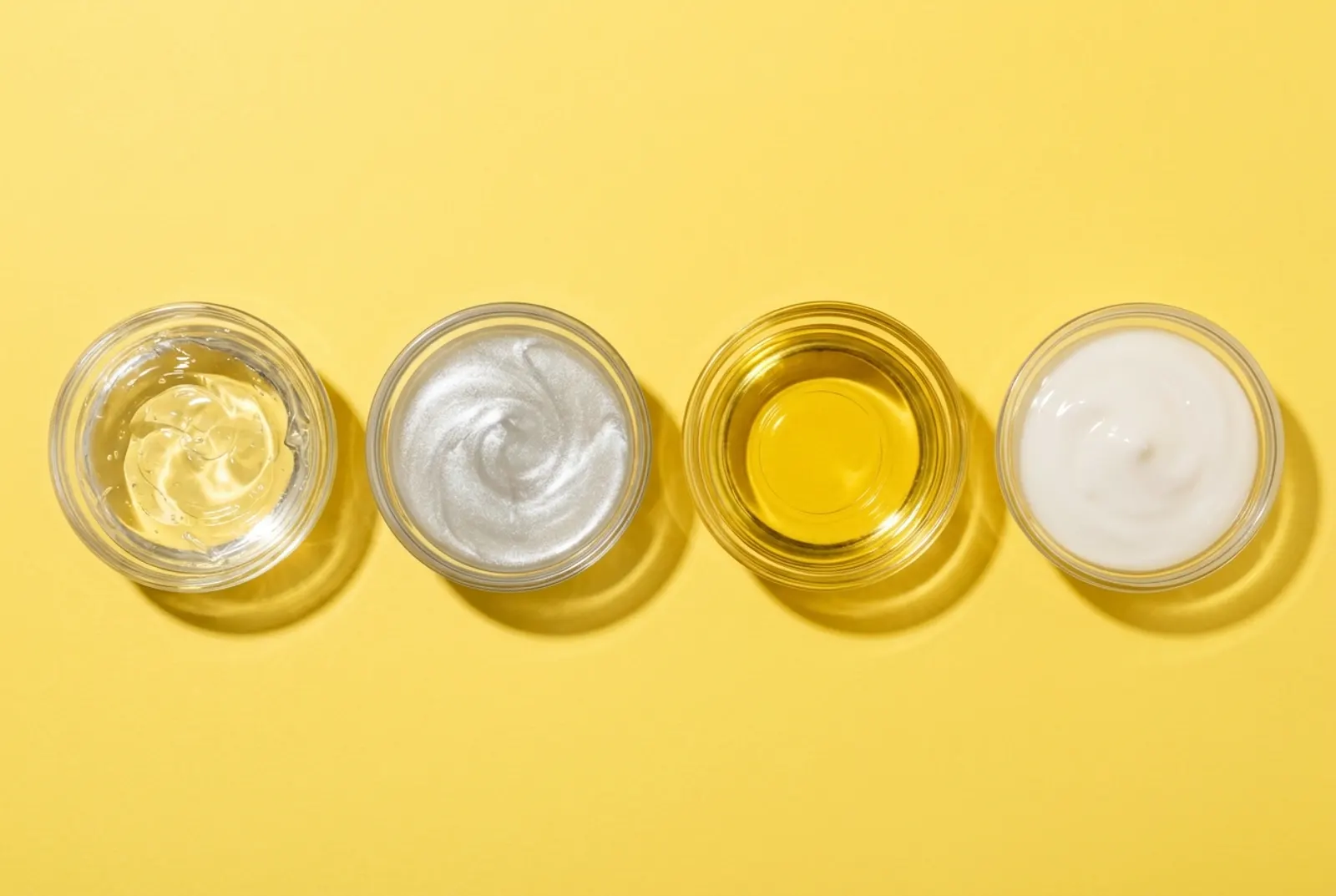
Hybrid lubes, which are water based with some silicone added, sit in between. Some brands say they are fine on silicone toys and some say not to. Follow the label, and run the same spot test if it says nothing. The four lube bases are compared in types of lube.
Signs of the wrong lube on a toy.
- The surface feels tacky or gummy after it has been washed and dried
- It looks cloudy, dull or pitted where it used to be smooth
- It has swollen or changed shape slightly
- It holds a smell or a film that soap does not remove
Any of these means the surface has broken down, and a damaged surface can trap bacteria in the same way a porous toy does. Retire it. A toy is not worth an infection.
Oil and porous toys.
Oil is fine on nonporous materials. It wipes off silicone, glass and steel with soap. On porous toys it is a different story. Jelly, TPE and PVC absorb oil, the oil breaks the material down, and nothing you do afterward gets it out. The toy ends up sticky, smelly and impossible to clean.
Oil also has the condom problem. If you put a condom over a toy, which is the right move for any porous toy or any toy that gets shared, oil will break a latex or polyisoprene condom the same way it does on a body. Use water based lube on anything with a condom on it. The condom rules are the same as for bodies, and lube and condoms has the full table.
The body side of the equation.
A toy does not care about osmolality. Your tissue does. Whatever lube you use on a toy is also going inside you, so the same two numbers apply: osmolality ideally 380 mOsm/kg or under per the WHO, and a pH near 4.5 for vaginal use. Good Clean Love Almost Naked measures 240 to 269 mOsm/kg at pH 4.7. Sliquid Organics Natural measures 106 at pH 4.0 to 4.4. Why the number matters is in lube osmolality explained, and the ranked list is best water based lube. Both are safe on silicone, and both are gentle, which matters more with a toy than with a partner, because toys produce no lubrication of their own and sessions tend to run longer.
Uberlube, our silicone pick from best silicone lube, is for glass, steel and ABS toys, and for skin. It has no osmolality to worry about and lasts the longest. Just keep it off the silicone ones.
Lube by toy type.
External vibrators. A little water based lube on the toy and the body makes contact smoother and cuts the buzzing feel on sensitive skin. Keep lube off charging ports and buttons and wipe them dry.
Suction and air pulse toys. A drop of water based lube on the rim of the opening helps it sit flush. Too much floods the chamber, so start small. See Womanizer review for how these work.
Insertable and couples toys. More lube than you think, on the toy and the body, and reapply as it absorbs. Toys make no lubrication of their own.
Anal toys. Generous lube, and a toy with a flared base. Water based on silicone toys. Silicone lube on glass and steel lasts longer. See best lube for anal.
Dilators and pelvic floor trainers. Water based, low osmolality, every time, because these are used often and on sensitive tissue. See best vaginal dilators and best kegel weights.
One bottle or two.
If every toy you own is silicone, one bottle of low osmolality water based lube covers toys, condoms and partners, and there is nothing else to think about. If you own glass or steel toys, or you want silicone lube for its staying power with a partner, keep two bottles and keep them on different sides of the drawer. The mistake people make is reaching for whichever is closest. Label them if that helps.
Cleaning.
Warm water and mild soap after every use, for every material. Water based lube rinses off easily. Silicone lube needs soap, and a second pass if the toy still feels slick. Oil needs soap and patience on nonporous toys and does not come out of porous ones. Let toys dry fully before storing, and store them apart, because some soft materials react with each other when left touching.
If a toy, or the lube on it, leaves you with burning, pain, bleeding or an infection that keeps coming back, stop using both and see a clinician.

Our take. The benchmark. Aloe based, iso-osmolar, pH in the healthy range, and it does not get sticky.
Pros
- Iso-osmolar, 240 to 269 mOsm/kg
- pH 4.7, right at the healthy vaginal range
- Glycerin and paraben free
- Safe with latex condoms and silicone toys
Cons
- Thinner than a gel, so you reapply
- Faint aloe scent some people notice
| Osmolality | WHO band | pH | Glycerin free | Latex condom safe | Silicone toy safe |
|---|---|---|---|---|---|
| 240 to 269 mOsm/kg | Ideal | 4.7 | Yes | Yes | Yes |

Our take. Thin, clean, very low osmolality. Reapply more often than a gel.
Pros
- 106 mOsm/kg, one of the lowest on the index
- Glycerin free, vegan, organic botanicals
- Works with condoms and every toy
Cons
- Very thin, reapply often
- Plant extracts can bother very reactive skin
| Osmolality | WHO band | pH | Glycerin free | Latex condom safe | Silicone toy safe |
|---|---|---|---|---|---|
| 106 mOsm/kg | Ideal | 4 to 4.4 | Yes | Yes | Yes |

Our take. Three silicones and vitamin E, lasts forever, feels like nothing. Not for silicone toys. Osmolality does not apply to silicone.
Pros
- Short ingredient list, no preservatives or scent
- Lasts far longer than water based
- Doubles as a shower and skin product
- Latex condom safe
Cons
- Not for silicone toys
- Needs soap to wash off
| Osmolality | WHO band | pH | Glycerin free | Latex condom safe | Silicone toy safe |
|---|---|---|---|---|---|
| Not applicable | Not applicable | n/a | Yes | Yes | No |
The toys themselves are covered in best couples vibrator and sex toys for couples.
Frequently asked questions.
Can you use silicone lube with silicone toys?
Not recommended. Silicone lube can bond with the surface of a silicone toy and leave it tacky, swollen or degraded over time. Use water based lube on silicone toys.
What lube is best for silicone toys?
A water based lube with low osmolality. Good Clean Love Almost Naked or Sliquid Organics Natural. Both are safe on silicone and gentle on tissue.
Can you use coconut oil on sex toys?
On silicone, glass and steel, yes. Not on porous toys like jelly or TPE, which absorb oil and cannot be cleaned fully. And never with a latex condom on the toy.
Is water based lube safe for all toys?
Yes. Water based lube is the one type that is safe with every toy material and every condom. It is the default for toys.
How do you know if a toy is real silicone?
Buy from a brand that states body safe, platinum cure or medical grade silicone, and expect to pay for it. Real silicone has no chemical smell. A strong plastic smell usually means a porous material.
My silicone toy feels sticky. What happened?
Most often silicone lube, or contact with a soft toy made of another material in storage. A tacky, cloudy or swollen surface cannot be repaired and can hold bacteria, so the toy should be retired. Use water based lube on silicone from then on.