Vaginal atrophy, or genitourinary syndrome of menopause, explained
The thinning and drying of vaginal tissue after estrogen falls, now called genitourinary syndrome of menopause. The symptoms, why it happens, which moisturizers and lubes have the best published osmolality and pH, and the prescription options to raise with a clinician.
By the Wet Betty editors · Published Oct 17, 2026
Fact checked against FDA 510(k) filings, WHO guidance and the sources listed below. How we review
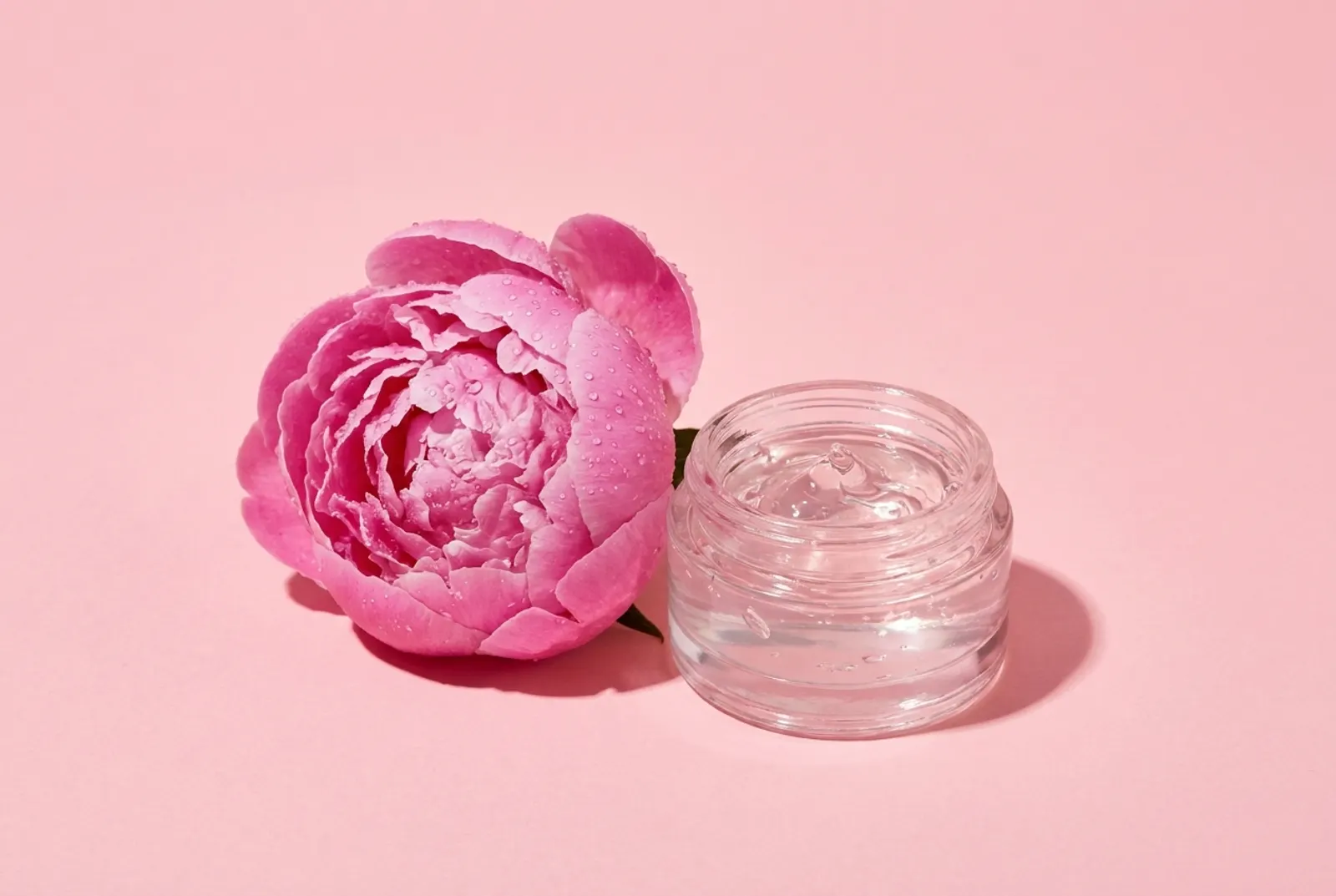
Vaginal atrophy is the thinning and drying of vaginal tissue when estrogen falls, usually after menopause. Doctors now call it genitourinary syndrome of menopause, or GSM, because it affects the bladder too. Mild symptoms respond to a moisturizer used every few days plus a low osmolality lube. Moderate to severe symptoms have effective prescription options.
What vaginal atrophy is.
Healthy vaginal tissue is several cell layers thick, moist and elastic, and estrogen keeps it that way. When estrogen drops, the lining gets thinner, drier, less elastic and more fragile. Blood flow falls, natural lubrication slows, and the vaginal pH tends to rise, which changes the balance of bacteria.
Vaginal atrophy and atrophic vaginitis were the old names. Mayo Clinic and the Menopause Society now use genitourinary syndrome of menopause, because the urethra and bladder have estrogen receptors too, and urinary symptoms often arrive at the same time. You will see both terms; they describe the same thing.
It is common. The Menopause Society's 2020 position statement estimates GSM affects about 27 to 84 percent of postmenopausal women, and calls it likely underdiagnosed and undertreated. Hot flashes often fade with time. GSM symptoms often do not, which is one reason it is worth treating.
Symptoms.
Mayo Clinic lists these:
- Dryness, burning or itching in the vagina.
- Thin, watery, yellow or gray discharge.
- Pain during sex from less lubrication, or light bleeding after sex.
- A frequent or urgent need to urinate, or burning when you urinate.
- Leaking urine.
- More frequent urinary tract and vaginal infections.
- Shortening and tightening of the vaginal canal.
Many people notice it first as sex that suddenly stings, or as a lube that used to be fine and now burns. That second one is often an osmolality problem, covered below.
Why it happens.
Menopause is the main cause, but anything that lowers estrogen can do it. Mayo Clinic lists perimenopause, removal of both ovaries, breastfeeding, some birth control pills, chemotherapy or pelvic radiation, and hormonal treatment for breast cancer. Smoking makes it more likely by reducing blood flow. Regular sexual activity or masturbation, with or without a partner, helps keep tissue healthier by increasing blood flow. The broader list of causes is in vaginal dryness causes, and the breastfeeding version is in postpartum dryness.
Moisturizers and lubes, first line.
The Menopause Society says nonhormone products available without a prescription give enough relief for most women with mild symptoms. Mayo Clinic suggests trying them first. They do two different jobs:
- A vaginal moisturizer is used on a schedule, every two to three days, whether or not you have sex. It holds water in the tissue and changes the day to day baseline.
- A lubricant is used during sex to cut friction for that hour.
Most people with GSM do better with both. The full comparison is in vaginal moisturizer vs lube.
Why the numbers matter more now. Osmolality is how concentrated a product is compared with the body. The WHO advises 380 mOsm/kg or under as ideal for a lubricant, with 1,200 as a ceiling. A product far above that pulls water out of cells, and thinned postmenopausal tissue has less to spare. Edwards and Panay, writing in Climacteric in 2016, argued that moisturizer and lube composition matters for exactly this group. Our osmolality explainer covers the science.
The products with the best published numbers.
| Product | Type | Osmolality (mOsm/kg) | pH | Source |
|---|---|---|---|---|
| YES VM | Moisturizer | 250 | 4.15 | Edwards and Panay 2016 |
| Replens | Moisturizer | 1,200 to 2,011 | 2.5 to 3.5 | FDA 510(k) filing |
| Revaree | Hyaluronic acid insert | Not published | Not published | None |
| Good Clean Love Almost Naked | Water based lube | 240 to 269 | 4.7 | Edwards and Panay 2016 |
| Uberlube | Silicone lube | Does not apply | Does not apply | No water |

Our take. The moisturizer with the best numbers on our ledger: iso-osmolar and pH matched. Organic, UK made.
Pros
- Best numbers of any moisturizer, 250 mOsm/kg and pH 4.15
- Organic, glycerin free
- Can double as a lube
Cons
- Pricier than drugstore moisturizers
- Harder to find in stores
| Osmolality | WHO band | pH | Glycerin free | Latex condom safe | Silicone toy safe |
|---|---|---|---|---|---|
| 250 mOsm/kg | Ideal | 4.15 | Yes | Yes | Yes |

Our take. The best known moisturizer, and the one gynecologists name first. Low pH, high osmolality, used every three days rather than during sex.
Pros
- The moisturizer gynecologists name first
- Low pH, 2.5 to 3.5
- Lasts about three days per dose
Cons
- High osmolality, 1,200 to 2,011 mOsm/kg
- Contains glycerin
- Used on a schedule, not during sex
| Osmolality | WHO band | pH | Glycerin free | Latex condom safe | Silicone toy safe |
|---|---|---|---|---|---|
| 1,200 to 2,011 mOsm/kg | High | 2.5 to 3.5 | No | Yes | Yes |

Our take. Hormone free hyaluronic acid insert used every two to three days. Pricey, but the format people stick with.
Pros
- Hormone free hyaluronic acid
- Insert format people stick with
- Lasts two to three days
Cons
- Expensive per dose
- No published osmolality
| Osmolality | WHO band | pH | Glycerin free | Latex condom safe | Silicone toy safe |
|---|---|---|---|---|---|
| Not published | Not applicable | n/a | Yes | No | Yes |

Our take. Three silicones and vitamin E, lasts forever, feels like nothing. Not for silicone toys. Osmolality does not apply to silicone.
Pros
- Short ingredient list, no preservatives or scent
- Lasts far longer than water based
- Doubles as a shower and skin product
- Latex condom safe
Cons
- Not for silicone toys
- Needs soap to wash off
| Osmolality | WHO band | pH | Glycerin free | Latex condom safe | Silicone toy safe |
|---|---|---|---|---|---|
| Not applicable | Not applicable | n/a | Yes | Yes | No |

Our take. The benchmark. Aloe based, iso-osmolar, pH in the healthy range, and it does not get sticky.
Pros
- Iso-osmolar, 240 to 269 mOsm/kg
- pH 4.7, right at the healthy vaginal range
- Glycerin and paraben free
- Safe with latex condoms and silicone toys
Cons
- Thinner than a gel, so you reapply
- Faint aloe scent some people notice
| Osmolality | WHO band | pH | Glycerin free | Latex condom safe | Silicone toy safe |
|---|---|---|---|---|---|
| 240 to 269 mOsm/kg | Ideal | 4.7 | Yes | Yes | Yes |
- YES VM has the best numbers of any moisturizer we track: iso-osmolar and pH matched, glycerin free.
- Replens is the moisturizer clinicians name first and Mayo Clinic lists by name. Its filed osmolality is high and its pH is low. Many women use it happily; if it stings, YES VM is the swap.
- Revaree is a hormone free hyaluronic acid insert used every two to three days, for people who will not stick with a gel and applicator.
- Uberlube is a silicone lube, so osmolality does not apply. It lasts, which matters when tissue is dry. Keep it off silicone toys.
- Good Clean Love Almost Naked is a near iso-osmolar water based lube for anyone who uses silicone toys or wants something that rinses off.
Mayo Clinic also advises choosing lubes without glycerin or warming ingredients, and avoiding oil based products with latex condoms. Our menopause lube picks go deeper on lube choice, and the full ledger is in the lube index.
Prescription options to ask about.
If a moisturizer and lube used consistently for a month or two have not helped, or symptoms are moderate to severe, these are the options the Menopause Society lists as effective. They are names to bring to an appointment. We give no doses or schedules.
- Low dose vaginal estrogen, as a cream, tablet, insert or ring. Mayo Clinic notes it works at lower doses than pills and limits overall estrogen exposure.
- Vaginal DHEA (prasterone), a prescription insert.
- Ospemifene, a daily pill for painful sex caused by GSM.
- Systemic hormone therapy, usually considered when hot flashes are also a problem.
The Menopause Society notes there are not enough placebo controlled trials of laser and other energy based treatments to recommend them. It also notes that safety data for vaginal estrogen, DHEA and ospemifene in women with breast cancer are limited, so survivors should decide with their oncologist. Vaginal dilators can help when the canal has shortened or tightened; see vaginal dilators.
Daily habits that help.
Use plain water or an unscented wash on the vulva, skip douches and scented products, and choose cotton underwear. Give a new moisturizer a few weeks before judging it. Pelvic floor exercises help the leaking that can come with GSM; see best kegel weights. The longer version is how to treat vaginal dryness.
When to see a clinician.
Mayo Clinic advises an appointment for spotting or bleeding with no clear reason, unusual discharge, burning or soreness, and for painful sex that does not improve with a moisturizer or lube. Add urinary burning, urgency or repeated UTIs, which can look like GSM and need testing. Any bleeding after menopause needs a checkup. If you have had breast cancer, talk with your oncologist before starting any hormone based treatment. This page is general information, not medical advice.
Frequently asked questions.
What is vaginal atrophy?
Thinning, drying and inflammation of the vaginal walls caused by lower estrogen, most often after menopause. The current medical name is genitourinary syndrome of menopause, because the same estrogen drop also affects the bladder and urethra.
Can vaginal atrophy be reversed?
Symptoms can usually be managed well. Moisturizers and lubes relieve mild symptoms. Low dose vaginal estrogen and other prescriptions treat the tissue itself and are effective for moderate to severe GSM, per the Menopause Society.
What is the best moisturizer for vaginal atrophy?
On published numbers, YES VM, at 250 mOsm/kg and pH 4.15. Replens is the one clinicians name most often, but its osmolality is far higher. Revaree, a hyaluronic acid insert, has no published osmolality. Use any of them on a schedule, every two to three days, not just before sex.
Is vaginal estrogen safe?
Low dose vaginal estrogen sends far less hormone into the bloodstream than pills, which is why Mayo Clinic describes it as limiting overall exposure. The Menopause Society notes long term endometrial safety data are limited and that breast cancer survivors should decide with their oncologist. It needs a prescription and a conversation.
Does vaginal atrophy cause UTIs?
It can make them more frequent. Mayo Clinic lists more frequent urinary and vaginal infections among GSM symptoms. Recurrent UTIs after menopause are worth raising with a clinician, who may discuss vaginal estrogen.
Can you have vaginal atrophy before menopause?
Yes. Mayo Clinic lists breastfeeding, removal of both ovaries, some birth control pills, cancer treatment and hormonal breast cancer treatment among causes of lower estrogen. Our postpartum dryness guide covers the breastfeeding version.