The best organic tampons, and what organic does and does not change (2026)
Seven organic cotton tampons chosen on materials, certification, applicator and absorbency range, plus a straight answer on whether organic is safer, what the metals study found, and how to lower your TSS risk.
By the Wet Betty editors · Published Oct 17, 2026
Fact checked against FDA 510(k) filings, WHO guidance and the sources listed below. How we review
The best organic tampons for most people are Cora: organic cotton, no rayon, no chlorine bleaching, in a regular and super mixed box. Organyc is the pick for certified organic cotton throughout. Organic tampons are a materials choice, not a medical one. They carry the same toxic shock syndrome rules as any tampon: lowest absorbency, changed every 4 to 8 hours.
Our picks.
Cora is the best organic tampon for most people, and Organyc is the pick if you want certified organic cotton from tampon to string.
- Best overall: Cora Organic Cotton Tampons
- Best certified organic: Organyc Certified Organic Cotton Tampons
- Easiest to find: L. Cotton Tampons
- Best slim applicator: Rael Slim Applicator Tampons
- Best organic with a plastic applicator: LOLA Organic Tampons
- Best plastic free: Natracare Organic Cotton Tampons
- Best without an applicator: oi Certified Organic Cotton Non-Applicator Tampons
How we chose.
We did not test these. We compared what each brand and Amazon listing states: fiber (100% organic cotton or an organic core), certification language, what each is made without, applicator type, absorbency range and count. We kept established brands with large review counts and checked that every product link goes to that exact listing. The safety sections draw on the FDA, Cleveland Clinic, the NHS and a 2024 peer reviewed metals study. Our full method is on how we review. None of this is medical advice.
Our full reviews.
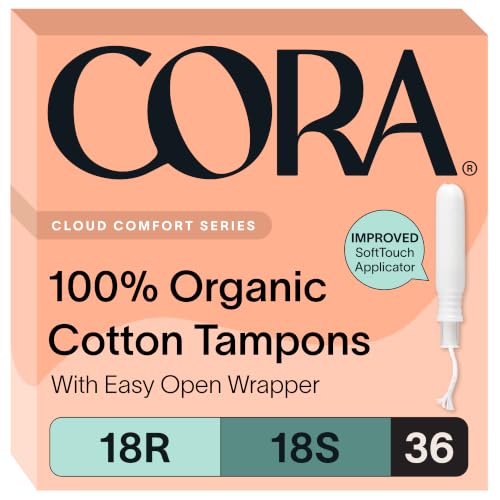
Cora Organic Cotton Tampons
Our take. Organic cotton tampons made without chlorine, pesticides or rayon, in a mixed box.
Pros
- Organic cotton, made without rayon per listing
- Made without chlorine or pesticides per listing
- Regular and super in one box
Cons
- Plastic applicator
- Mixed box means fewer of the size you use most
| Category | Format |
|---|---|
| Period care | Organic cotton tampons, multipack, 18 regular and 18 super |

Organyc Certified Organic Cotton Tampons
Our take. Certified organic cotton from tampon to string per listing, with a cardboard applicator.
Pros
- 100% certified organic cotton per listing
- Free from chlorine, perfumes and rayon per listing
- Cardboard applicator
Cons
- Cardboard applicator takes getting used to
- Small box
| Category | Format |
|---|---|
| Period care | 100% certified organic cotton tampons, regular, cardboard applicator, 16 count |

L. Cotton Tampons
Our take. A big, widely stocked box with an organic cotton core and no fragrance.
Pros
- 84 count in regular and super
- Made without synthetic pesticides or fragrances
- Sold in most drugstores too
Cons
- Organic claim covers the core, not every part
- Plastic applicator
| Category | Format |
|---|---|
| Period care | Tampons with organic cotton core, regular and super multipack, 84 count |

Rael Slim Applicator Tampons
Our take. A slim applicator tampon with an organic cotton core, sold in a mixed box.
Pros
- Slim, BPA free applicator
- Chlorine free and unscented per listing
- Regular and super in one box
Cons
- Organic claim covers the core
- Plastic applicator
| Category | Format |
|---|---|
| Period care | Tampons with organic cotton core, slim BPA free applicator, regular and super, 40 count |

LOLA Organic Tampons
Our take. A subscription favorite with organic cotton and a smooth plastic applicator.
Pros
- Organic cotton per the brand
- BPA free plastic applicator
- Hypoallergenic per listing
Cons
- One absorbency per box
- Plastic applicator
| Category | Format |
|---|---|
| Period care | Organic cotton tampons, regular, BPA free plastic applicator, 32 count |

Natracare Organic Cotton Tampons
Our take. A plastic free organic cotton tampon with a cardboard applicator from a long standing natural brand.
Pros
- Cardboard applicator, plastic free
- 100% cotton, chlorine free per listing
- Biodegradable per listing
Cons
- Cardboard glides less smoothly than plastic
- Small box
| Category | Format |
|---|---|
| Period care | Organic cotton tampons, regular, cardboard applicator, 16 count |

oi Certified Organic Cotton Non-Applicator Tampons
Our take. Certified organic, no applicator at all, which means the least packaging of any tampon here.
Pros
- 100% certified organic cotton per listing
- No applicator, least packaging
- 64 count box
Cons
- Inserted with a finger, which takes practice
- Regular absorbency only in this box
| Category | Format |
|---|---|
| Period care | 100% certified organic cotton non applicator tampons, regular, 64 count |
Cora Organic Cotton Tampons.
Organic cotton, made without chlorine, pesticides or rayon per the listing, in a box of 18 regular and 18 super. Cora sells light through super plus, so you can match absorbency to each day of your period. It is the box we would buy first. Cora on Amazon.
Organyc Certified Organic Cotton Tampons.
The listing says 100% certified organic cotton, free from chlorine, perfumes and rayon, with a cardboard applicator. If you want organic from core to string and no plastic, this is the cleanest label on the list.
L. Cotton Tampons.
A large, widely stocked box of regular and super. L. uses an organic cotton core and is made without synthetic pesticides or fragrances, per the listing. The organic claim covers the core rather than every component, which is common and worth knowing.
Rael Slim Applicator Tampons.
A slim, BPA free plastic applicator with an organic cotton core, chlorine free and unscented per the listing. Slim applicators suit teens and anyone who finds standard applicators bulky.
LOLA Organic Tampons.
LOLA describes its tampons as organic cotton, hypoallergenic, with a BPA free plastic applicator. This box is regular only, so buy a second absorbency for heavier days.
Natracare Organic Cotton Tampons.
A long standing natural brand with 100% cotton, chlorine free tampons and a cardboard applicator, plastic free and biodegradable per the listing. Cardboard glides less smoothly than plastic, which is the main tradeoff.
oi Certified Organic Cotton Non-Applicator Tampons.
100% certified organic cotton per the listing, with no applicator at all, which means the least packaging of any tampon here. Inserting with a finger takes a little practice, and this box is regular only.
What organic means on a tampon.
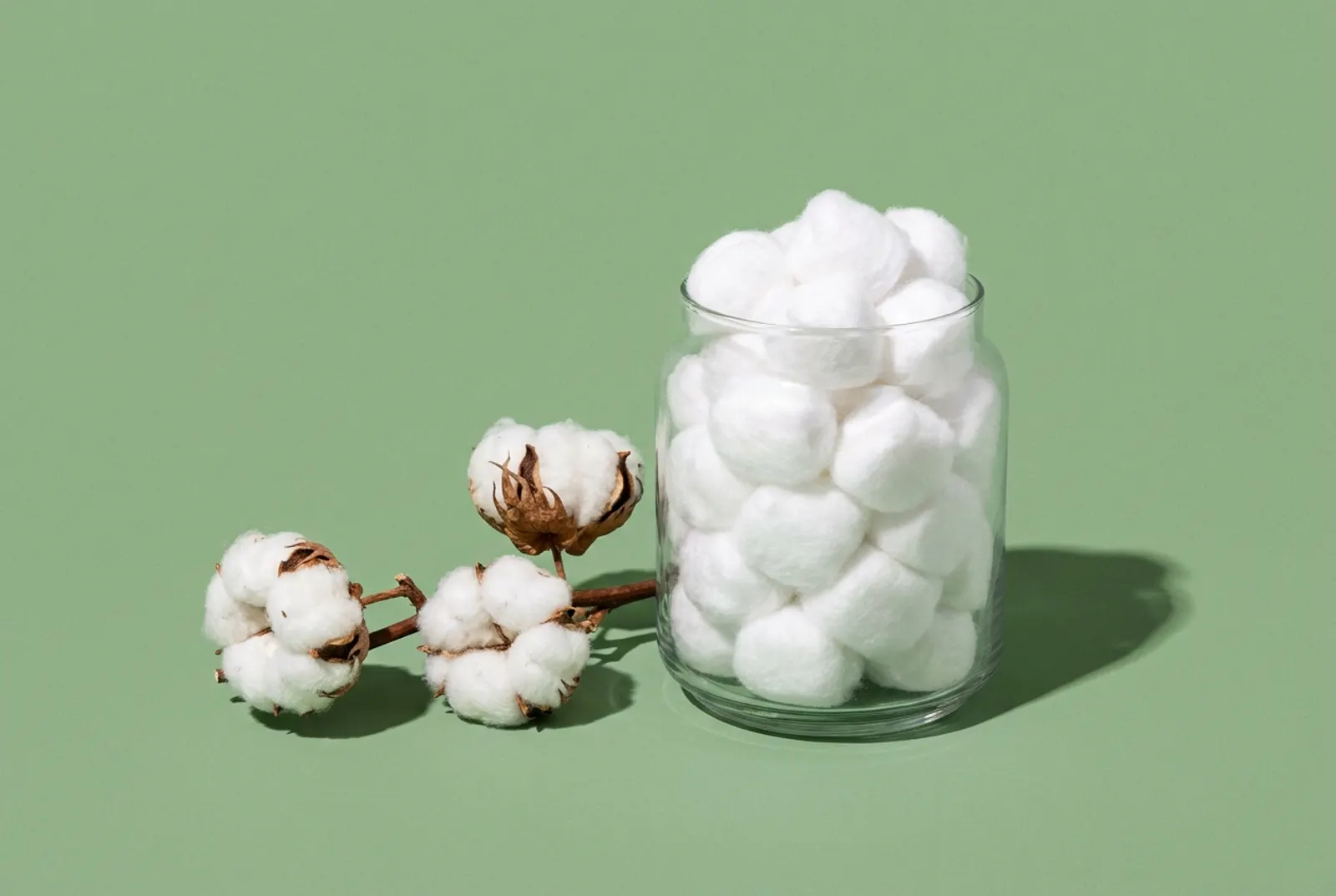
Conventional tampons in the US are cotton, rayon or a blend, per the FDA. Organic tampons use cotton grown without synthetic pesticides or fertilizers and skip rayon. The wording on the box matters:
- "100% organic cotton" means the absorbent part is all organic cotton. Check whether the string and cover are too.
- "Organic cotton core" means the absorbent center is organic, and other parts (often the cover or string) may not be.
- "Certified organic" means a third party has checked the cotton against a standard. Organyc and oi use that language on their listings. Brands that are certified usually name the standard on their site.
- "Made without" lists (chlorine, rayon, fragrance, dyes) describe what a brand leaves out, which is useful but is not a certification.
Is organic safer.
This is where most "best organic tampons" lists stop being careful. Here is what the evidence supports.
Bleaching and dioxin. The FDA says authorized tampons use a bleaching process free from elemental chlorine, which prevents dangerous dioxin levels. "Chlorine free" on an organic box is a real difference in process, but conventional tampons are not bleached with elemental chlorine either.
Pesticides. Organic cotton is grown without synthetic pesticides. That is a genuine sourcing difference, and it matters to many buyers for environmental reasons.
Metals. A 2024 study in Environment International measured 16 metals in 30 tampons from 14 brands. It found measurable metals in all of them. Lead was higher in non organic tampons and arsenic was higher in organic ones, and no category was consistently lower across most metals. The authors called for research into whether metals leave tampons during use. The FDA has since said very small amounts can be detected in both conventional and organic tampons, and that the amounts released during use are too small to cause harm.
Toxic shock syndrome. Fiber type does not change TSS risk in any proven way. Absorbency and wear time do.
So buy organic for materials, sourcing and fewer additives. Do not buy it expecting a different safety profile, and do not skip the TSS rules.
Toxic shock syndrome and how to lower the risk.
TSS is a rare but serious illness caused by toxins from bacteria such as Staphylococcus aureus. Cleveland Clinic notes tampons are the most common link, with risk rising with higher absorbency and longer wear. The FDA's rules are simple:
- Use the lowest absorbency that works for your flow. If a tampon lasts a full 8 hours without needing a change, it is probably too absorbent.
- Change every 4 to 8 hours. Never leave one in longer than 8 hours.
- Use tampons only during your period, not for discharge between periods.
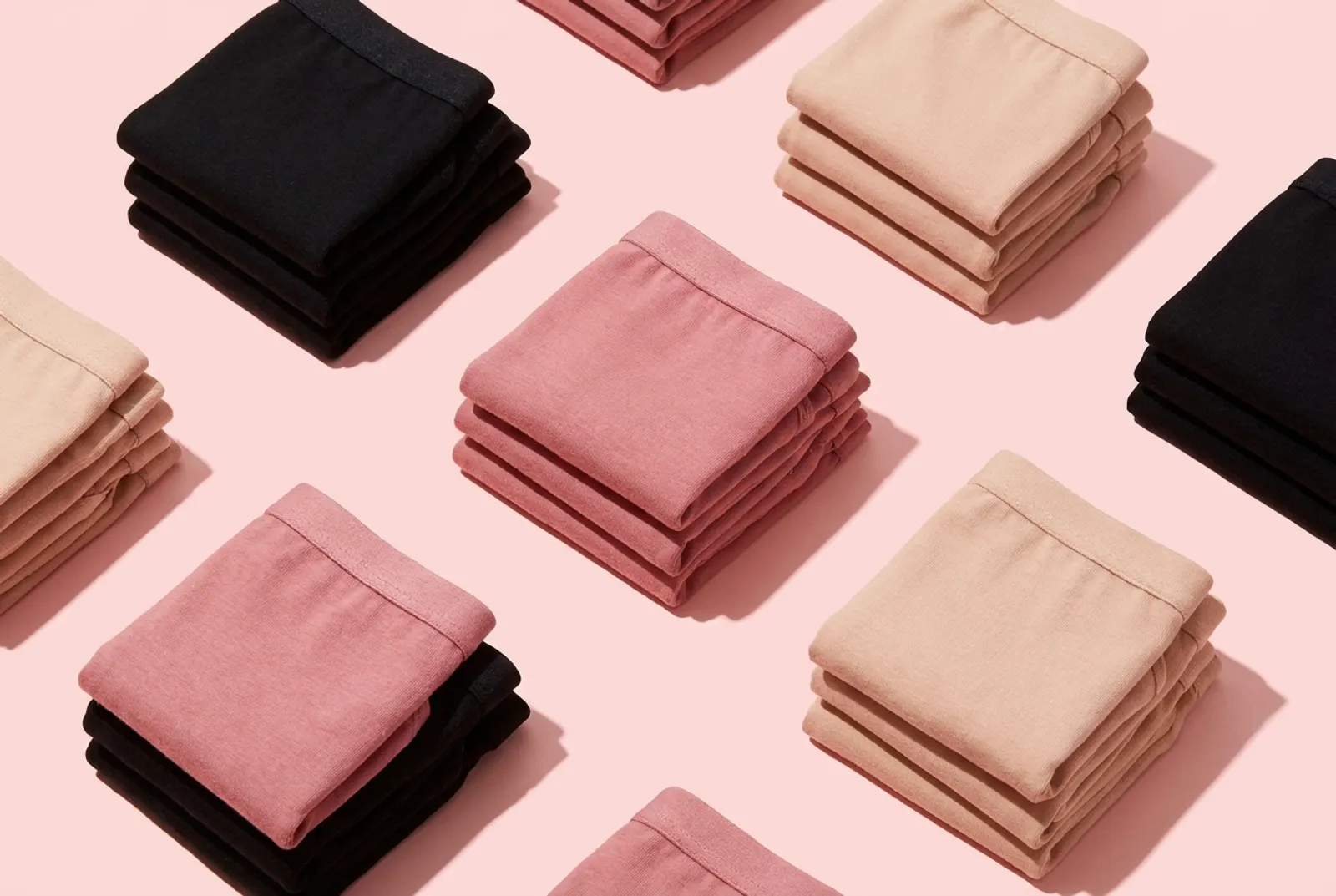
- Consider a pad or period underwear overnight if you sleep longer than 8 hours.
Warning signs include a sudden high fever, vomiting, diarrhea, a sunburn like rash, dizziness or fainting. Remove the tampon and get urgent care.
Absorbency levels.
Every tampon sold in the US uses the same FDA absorbency scale, so a regular from one brand absorbs within the same range as a regular from another.
| Absorbency | Grams absorbed (FDA standard) | Typical use |
|---|---|---|
| Light | Under 6 | Start or end of a period |
| Regular | 6 to 9 | Most days for most people |
| Super | 9 to 12 | Heavier days |
| Super plus | 12 to 15 | Heavy days |
| Ultra | 15 to 18 | Very heavy flow |
If you need super plus or ultra every few hours, that can be a sign of heavy periods worth raising with a clinician.
Applicators.
| Type | Examples here | Pros | Cons |
|---|---|---|---|
| Plastic | Cora, L., Rael, LOLA | Smooth, compact options | Plastic waste |
| Cardboard | Organyc, Natracare | Plastic free | Less smooth |
| None | oi | Least packaging | Finger insertion takes practice |
How to insert a tampon.
Wash your hands. Sit, squat or put one foot up. With an applicator, hold the grip, place the tip at the vaginal opening, and slide the barrel in angled toward your lower back until your fingers touch your body. Push the plunger, then remove the applicator. Without one, push the tampon in with a finger along the same angle. Leave the string outside. If it feels uncomfortable, it is usually not in far enough. As the NHS notes, a tampon cannot get lost inside you; the vagina ends at the cervix. If insertion is painful, see lube for pelvic pain.
Fragrance and irritation.
Skip scented tampons and anything with added fragrance. The vagina cleans itself, and fragrance is a common cause of irritation. If you notice itching, burning or a new odor around your period, see vaginal odor and boric acid suppositories for what is normal and what needs a clinician.
Waste, and alternatives to tampons.
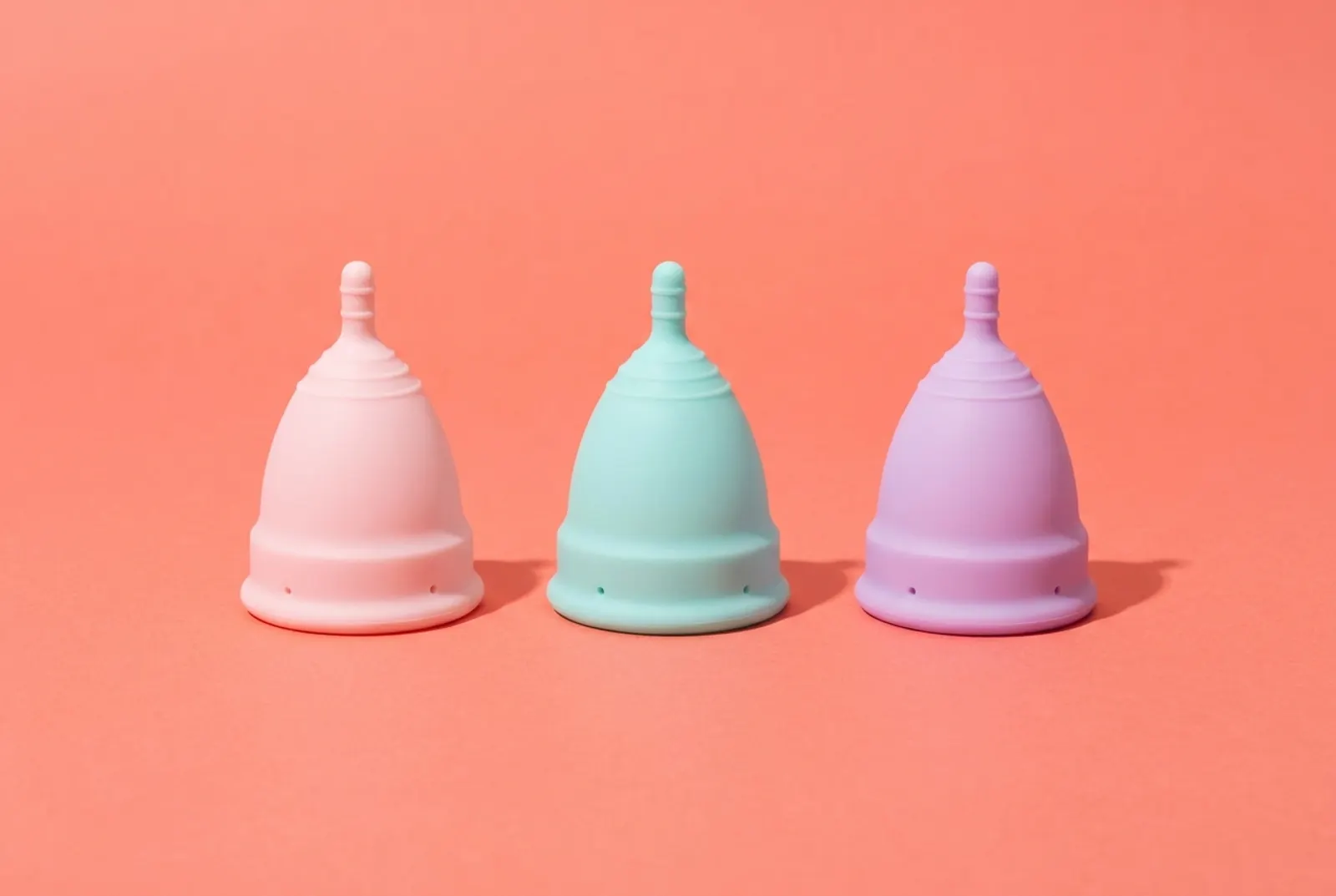
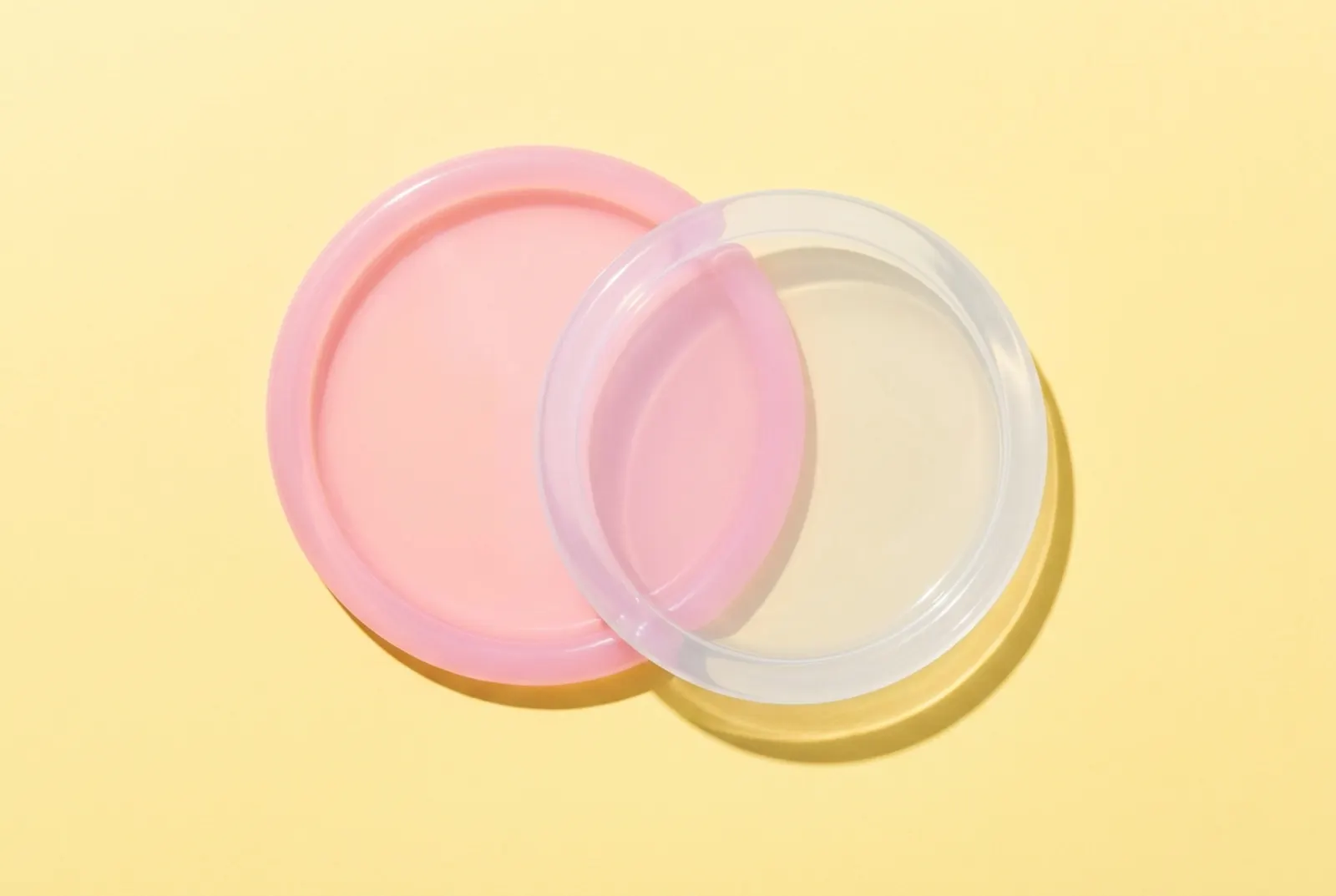
A cardboard applicator or no applicator cuts plastic waste. A reusable menstrual cup or menstrual disc cuts it further, replacing years of tampons with a single silicone product. Many people keep organic tampons for travel and a cup or disc for home.
Frequently asked questions.
Are organic tampons better for you?
Organic tampons use cotton grown without synthetic pesticides and skip rayon, which many people prefer. But there is no strong evidence they are safer in use than conventional FDA authorized tampons, and they carry the same toxic shock syndrome risk. Choose them for materials and sourcing, not as a medical upgrade.
Do organic tampons have less metal?
Not consistently. The 2024 Environment International study found lead was higher in non organic tampons and arsenic was higher in organic ones, with no category lower across most metals. The FDA's position is that the amounts released during use are too small to cause harm.
Can you get toxic shock syndrome from organic tampons?
Yes. TSS comes from bacterial toxins, not from the fiber type. Lower absorbency and shorter wear reduce risk with any tampon.
What is the most absorbent organic tampon?
Several brands sell organic super plus. Cora, for one, sells a super plus box. Use super plus only if a lower absorbency fills within a few hours.
What tampons do gynecologists recommend?
Most clinical guidance focuses on how you use a tampon rather than the brand. The FDA advice is the lowest absorbency for your flow, changed every 4 to 8 hours. Fragrance free is the other common recommendation.
Are cardboard applicator tampons better?
They are plastic free and lower in waste. Some people find cardboard less smooth to insert. A non applicator tampon has the least packaging of all.