Lume deodorant review, what mandelic acid does and where it is safe to use
Lume is the whole body deodorant that made it normal to talk about thigh, groin and vulva odor. What is in it, where it is safe to put it, what gynecologists actually advise, and how it compares with the Dove and drugstore versions.
By the Wet Betty editors · Published Oct 17, 2026
Fact checked against FDA 510(k) filings, WHO guidance and the sources listed below. How we review

Lume deodorant is a mandelic acid cream for skin odor anywhere on the outside of the body, including the outer vulva, groin and thighs. It is labeled for external use only, never inside the vagina, and it does not treat BV or yeast. ACOG still advises plain water for the vulva, so treat Lume as optional, unscented first.
The verdict.
Lume is a well made mandelic acid cream for skin odor on the outside of the body, including the outer vulva. It is never for inside the vagina, it does not treat BV or yeast, and plain water is still the first advice for the vulva.
- The original: Lume Whole Body Deodorant Cream Tube, Unscented
- Drugstore alternative: Dove Whole Body Deodorant Cream, Unscented
- For the shower: Lume Acidified Body Wash
What Lume is.
Lume is a whole body deodorant sold as a cream in a tube, a solid stick, wipes and a body wash. It was created by an OB/GYN, Dr. Shannon Klingman, who built the brand around a simple idea: much of the odor people blame on the vagina actually comes from sweat and skin bacteria in the groin, thighs and the outer folds of the vulva. That skin has dense sweat glands, little airflow and a lot of friction, which is why it smells different from an underarm.
The pitch landed. Lume sits near the top of Amazon's feminine care lists, and "whole body deodorant" is now a shelf category with Dove, Secret and Summer's Eve versions next to it. This review looks at the original cream tube and the two products shoppers compare it with most.
What mandelic acid does.
Lume's active idea is mandelic acid, an alpha hydroxy acid (AHA) related to the glycolic and lactic acids in skin care. Body odor is not sweat itself. It is what bacteria on the skin make when they break sweat and oils down. Mandelic acid lowers the pH of the skin surface, and those bacteria do poorly in an acidic environment, so less odor forms. The brand claims 72 hours of control from one application.
Two things follow from how it works. It is a deodorant, not an antiperspirant, so you will still sweat. And it works on the skin surface, which is why it does nothing for an odor that starts inside the vagina.
The sun warning. Because Lume contains an AHA, its label carries a sunburn alert. The FDA recommends that wording on AHA cosmetics after its own research found AHA use raised skin sensitivity to UV light. That matters more on thighs and underarms than on the vulva, but it is worth knowing if you use Lume on skin that sees the sun.
Vulva versus vagina.
This is the part most reviews skip, and it is the part that matters.
The vulva is the outside: the outer and inner lips, the skin around the clitoris, the bikini line and the creases where the thigh meets the groin. It is skin, and Lume is labeled for it.
The vagina is the internal canal. It cleans itself, keeps a low pH with its own Lactobacilli, and does not need deodorant, soap or fragrance. Lume says its products are for external use only and are not meant to treat any condition of the vulva or vagina. Nothing from this page goes inside.
Even on the outside, gynecologists are cautious. ACOG's advice for preventing vaginitis says not to use feminine hygiene sprays, "full body deodorants" or scented tampons, and to clean the vulva with plain warm water, because soaps and other products can upset the normal balance of organisms. Lume is gentler than an old school feminine spray, but it is still a product on sensitive tissue. If your only issue is groin and thigh sweat, keep it there.
What it can and cannot fix.
| Odor | Likely source | Does Lume help |
|---|---|---|
| Sweaty, musky groin or thigh smell | Sweat and skin bacteria | Yes, this is what it is for |
| Underarm and foot odor | Sweat and skin bacteria | Yes |
| Fishy smell, stronger after sex | Bacterial vaginosis or trichomoniasis | No, needs a test and prescription treatment |
| Yeasty smell with itching and thick discharge | Possible yeast infection | No, see the best yeast infection treatment |
| Rotten smell | Forgotten tampon or retained object | No, remove it or see a clinician today |
Lume itself says that if odor continues after 3 to 4 days of use, see a doctor. That is good advice, and it doubles as a test: if the smell goes away, it was skin odor. If it does not, it is probably coming from inside. Our guide to vaginal odor goes smell by smell, and BV treatment covers the most common cause of a fishy smell.
How to use it on intimate skin.
- Start unscented. Fragrance is one of the most common causes of vulvar irritation. Lume's unscented cream tube is the one we would buy.
- Patch test. Try a small amount on the inner thigh for a day before using it closer in.
- Clean, dry, intact skin only. Skip it right after shaving or waxing, and never on chafed, cut or broken skin.
- A thin layer, outside only. Outer lips, bikini line and creases. Keep it away from the vaginal opening and the urethra.
- Stop if it stings. Rinse with plain water and let the skin recover.
If sex is part of the picture, wash the cream off first. Deodorant is not a lube, and residue on the vulva can transfer to a partner's mouth or to the vagina. Our pages on burning after sex and the best lube for sensitive skin cover the next steps if things sting.
How it compares.
| Lume Cream Tube | Dove Whole Body Deodorant Cream | Lume Acidified Body Wash | |
|---|---|---|---|
| Odor fighting acid | Mandelic acid | Lactic acid | Acidified formula |
| Format | Cream, tube | Cream, tube | Shower wash |
| Unscented option | Yes | Yes | Not in every size |
| Aluminum free | Yes | Yes | Not applicable |
| Labeled use | External only | External only | External only |
Dove Whole Body Deodorant is the drugstore answer. Dove's version is aluminum free, uses lactic acid instead of mandelic acid, and is labeled for intimate areas with external use only. It is easier to find in stores and comes in a smaller tube. If you are sensitive to one acid, the other is a reasonable swap.
Lume Acidified Body Wash is the shower half of the system. Most people do not need a special wash for odor; regular showering and a mild, unscented soap on the body are enough, and water alone on the vulva. If you like the routine, the wash pairs with the cream. Our best feminine wash page explains why we keep washes away from the vulva's inner folds.
Who it suits.
People with groin, thigh or underarm odor from sweat, people who run hot or exercise a lot, and people who chafe and want an aluminum free option. Lume can also help during menopause, when hot flashes mean more sweat in places that never smelled before.
Who should skip it.
Anyone with an odor that started suddenly, is fishy, or comes with discharge, itching or burning. That needs a diagnosis, not a deodorant. Anyone with very sensitive vulvar skin, lichen sclerosus or eczema in the area should ask a clinician first. And anyone hoping it will fix a smell after sex: that pattern is classic BV, covered in boric acid suppositories and BV treatment.

Lume Whole Body Deodorant Cream Tube, Unscented
Our take. The original whole body deodorant. Mandelic acid cream for external skin, including the outer vulva, never inside the vagina.
Pros
- Unscented version available
- Aluminum and baking soda free
- Labeled for 72 hour odor control
Cons
- External use only, never inside the vagina
- Contains an AHA, so the label warns about sun sensitivity
| Category | Format |
|---|---|
| Feminine care | 3 oz tube, 2 pack |
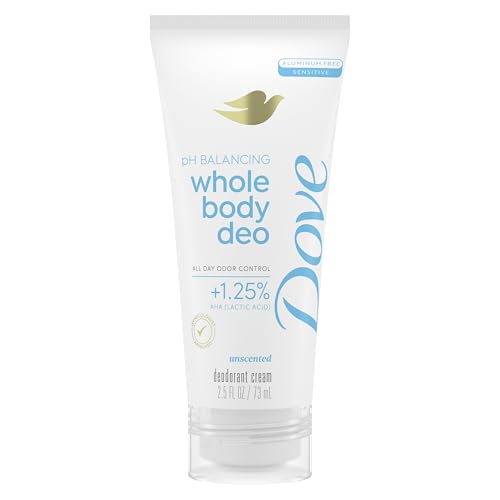
Dove Whole Body Deodorant Cream, Unscented
Our take. The drugstore take on whole body deodorant. Aluminum free, lactic acid based, labeled for external use only.
Pros
- Unscented option
- Aluminum free
- Easy to find in drugstores
Cons
- External use only
- Smaller tube than Lume
| Category | Format |
|---|---|
| Feminine care | 2.5 oz |

Lume Acidified Body Wash
Our take. Lume's shower step. An acidified body wash for skin odor, used on the outside only.
Pros
- Paraben and SLS free per the label
- Pairs with the Lume cream
- Large review base on Amazon
Cons
- This listing is the Clean Tangerine scent
- Not for use inside the vagina
| Category | Format |
|---|---|
| Feminine care | 8.5 oz |
Lume Whole Body Deodorant Cream Tube.
The original, and the unscented tube is the version to buy for intimate skin. Mandelic acid, aluminum and baking soda free, labeled for 72 hours. External use only. See the Lume cream tube on Amazon.
Dove Whole Body Deodorant Cream.
The drugstore alternative with a lactic acid base. Unscented, aluminum free, labeled for intimate areas with external use only.
Lume Acidified Body Wash.
For people who want the full routine. Use it on the body, not inside the vulva's folds, and never inside the vagina.
When to see a clinician.
See a clinician if an odor is new, strong, fishy or rotten, if it does not improve after 3 to 4 days of good hygiene and deodorant on the outside, or if it comes with discharge, itching, burning, sores or pain when you pee. Get care promptly if you are pregnant and notice a new smell or discharge. More guides are in the health hub. This page is general information, not medical advice.
Frequently asked questions.
Can you put Lume on your vagina?
Not inside it. Lume is labeled for external use only. The outer vulva, the bikini line, the groin and the inner thighs are external skin, which is where Lume is meant to go. Never apply it inside the vaginal opening, and never on broken, shaved raw or irritated skin.
What does mandelic acid do in deodorant?
Mandelic acid is an alpha hydroxy acid. In a deodorant it lowers the pH of the skin surface, which makes it harder for odor causing bacteria to break down sweat. It does not stop sweat itself, and it is not an antibacterial treatment for an infection.
Is Lume safe?
For most people, on intact external skin, it appears to be well tolerated, but no independent trial has tested it on the vulva. ACOG's general advice is to skip full body deodorants on the genitals and use plain water. If you try it, patch test, start with the unscented cream, and stop if it stings.
Does Lume get rid of BV or yeast odor?
No. A fishy smell from bacterial vaginosis or trichomoniasis comes from inside the vagina and needs a diagnosis and prescription treatment. Lume says that if odor continues after 3 to 4 days of use, you should see a doctor.
Is Dove Whole Body Deodorant the same as Lume?
They do the same job with different acids. Lume is built on mandelic acid; Dove's whole body line uses lactic acid, another AHA. Both are aluminum free and labeled for external use only.
Why does Lume burn?
Acids can sting on freshly shaved, chafed or broken skin, and fragrance can irritate the vulva. Stop using it, rinse with water, and let the skin settle. If burning comes with discharge, itching inside or pain when you pee, see a clinician.
Is Lume a vaginal deodorant?
No. Lume is a whole body deodorant that can go on the external vulva, and the brand says it is for external use only. Nothing like it belongs inside the vagina, and ACOG advises against feminine hygiene sprays and full body deodorants for preventing vaginitis.
Sources
Readers also read.
 HealthVaginal odor, what is normal and how to get rid of the smell that is not
 HealthBoric acid suppositories, what they are used for and who should not use them
 HealthBurning after sex, the common causes and what actually helps
 DrynessThe best lube for sensitive skin, graded on the four things that sting