The best yeast infection treatment, over the counter options and when you need more (2026)
Every over the counter yeast infection treatment in the US uses one of three azole antifungals. Which to pick, why boric acid is a second line tool for stubborn species, and the signs that you need a clinician instead of a pharmacy.
By the Wet Betty editors · Published Oct 17, 2026
Fact checked against FDA 510(k) filings, WHO guidance and the sources listed below. How we review
The best yeast infection treatment over the counter is an azole antifungal: miconazole (Monistat), clotrimazole or tioconazole. The CDC lists 1, 3 and 7 day regimens without ranking them, so pick on comfort. Boric acid is second line, for recurrent non-albicans infections, with a clinician. A first infection, or one that will not clear, needs a diagnosis.
Our picks.
- Best overall: Monistat 3 Combination Pack, Suppositories
- Best low dose: Monistat 7 Cream
- Best one dose: Monistat 1 Combination Pack
- Best value: Amazon Basic Care Miconazole Nitrate 4% Cream, 3 Day
- Best clotrimazole: Taro Clotrimazole 7 Vaginal Cream
- Best tioconazole: Vagisil Vagistat 1-Day
- For outside itch: Monistat Instant Itch Relief Cream
- For recurrent cases, with a clinician: pH-D Boric Acid Suppositories
How we chose.
We did not test these products, and nobody should judge a yeast treatment by how it felt once. We started with the CDC's sexually transmitted infections treatment guidelines, which list every recommended over the counter regimen, and kept only products whose active ingredient and strength match one of them. Then we read each drug facts label for format, extras such as external itch cream, and warnings. We added two products that are not first line treatments but come up in every search: an external itch cream, and boric acid for the narrow cases where the CDC lists it. Every product here has a verified Amazon listing and a large review base. Awards reflect format and fit, not a claim that one azole outperforms another.
The three over the counter antifungals.
| Drug | Brand examples | CDC listed regimens | Format |
|---|---|---|---|
| Miconazole | Monistat, store brands | 1, 3 or 7 days | Ovule, suppositories or cream |
| Clotrimazole | Taro, store brands | 3 days, or 7 to 14 days | Cream |
| Tioconazole | Vagistat 1, store brands | 1 day | Ointment |
All three are azoles. They stop Candida from building its cell membrane. The CDC presents the regimens as options rather than a ranking, so the real choices are about format and dose.
Shorter vs longer. One day products put the full course in at once. Seven day products spread a lower dose across a week. Many people with raw, inflamed tissue find the lower nightly doses gentler. In pregnancy, the CDC recommends only 7 day topical treatment.
Cream vs suppository vs ovule. Creams soothe the vulva as well as treating inside, but they are messier. Suppositories and ovules are tidier. Most combination packs add a small tube of external cream.
Condoms. The CDC notes these creams and suppositories are oil based and might weaken latex condoms and diaphragms. Labels also say no vaginal sex during treatment.
Yeast or something else.
This is the most important question on the page. ACOG warns that you may think you have a yeast infection when you have another problem, in which case the medicine will not work and the right diagnosis is delayed. The CDC adds that even people diagnosed before are not reliably good at diagnosing the next episode.
| Symptom | Fits yeast | Fits something else |
|---|---|---|
| Thick, white, clumpy discharge | Yes | |
| Strong itch inside and out | Yes | |
| Fishy smell, thin gray discharge | Bacterial vaginosis; see BV treatment | |
| Frothy green or yellow discharge | Possible trichomoniasis, an STI | |
| Burning after sex with no discharge | Friction or a product reaction; see burning after sex | |
| Sores, blisters or ulcers | Needs a clinician |
The Monistat label says not to use it if you have never had a yeast infection diagnosed by a doctor. That rule applies to every product on this page. If the smell is the main symptom, start with vaginal odor.
Boric acid's role.
Most yeast infections are caused by Candida albicans, which azoles treat well. A minority are caused by non-albicans species such as Candida glabrata, which often resist azoles. For recurrent infections of that kind, the CDC lists vaginal boric acid, with clinical and mycologic eradication rates of about 70 percent. A 2011 review in the Journal of Women's Health found mycologic cure rates from 40 to 100 percent across 14 studies.
That is a specific use, usually after a culture identifies the species. Boric acid is not FDA approved, is toxic if swallowed, and is not for use in pregnancy. Our boric acid suppositories guide has the full safety rules. It belongs on this list for people whose clinician has suggested it, not as a first try.
Recurrent infections.
The CDC defines recurrent yeast infection as three or more symptomatic episodes in a year, which affects fewer than 5 percent of women. If that is you, the answer is a clinician, a culture and often a longer prescription plan, not another box from the pharmacy. Diabetes, pregnancy, antibiotics and a weakened immune system can all raise the risk, which is why the Monistat label asks frequent sufferers to see a doctor.
What not to buy.
Homeopathic yeast tablets and most "yeast balance" gummies. The CDC says there is no substantial evidence for probiotics or homeopathic medicines in treating yeast infections. A 2017 Cochrane review found low quality evidence that probiotics added to standard antifungals might help short term, without a long term benefit. Our best vaginal probiotics page explains where probiotics might fit. Skip douches and scented washes too; ACOG lists douching among the things that upset vaginal balance, and our best feminine wash guide covers what is gentle enough for the outside.
Our full reviews.

Monistat 3 Combination Pack, Suppositories
Our take. The middle option: three 200 mg miconazole suppositories over three nights, plus external cream.
Pros
- Three nights, moderate dose
- External itch cream included
- Suppositories are less messy than cream
Cons
- Oil based, can weaken latex condoms
- Not the regimen recommended in pregnancy
| Category | Format |
|---|---|
| Vaginal health | 3 suppositories plus external cream |

Monistat 7 Cream
Our take. The gentlest dose: miconazole 2 percent cream over seven nights. The length the CDC names for pregnancy, with a clinician's OK.
Pros
- Lowest dose per night
- Seven day length the CDC names for pregnancy
- Cream also soothes outside skin
Cons
- Seven nights of applicators
- Oil based, can weaken latex condoms
| Category | Format |
|---|---|
| Vaginal health | 7 applicators |

Monistat 1 Combination Pack
Our take. The one dose option: a 1,200 mg miconazole insert plus external itch cream. Convenient, with the most medicine in one go.
Pros
- Single insert
- External itch cream included
- Same active ingredient as the 3 and 7 day
Cons
- Higher single dose can mean more burning
- Oil based, can weaken latex condoms
| Category | Format |
|---|---|
| Vaginal health | 1 ovule insert plus external cream |
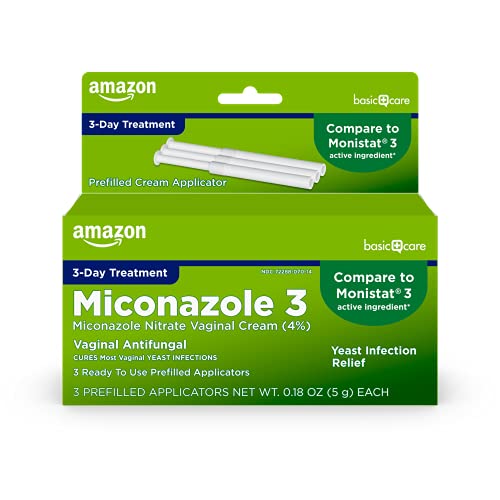
Our take. The store brand version of a 3 day miconazole cream. Same active ingredient family as Monistat for less.
Pros
- Miconazole 4 percent, a CDC listed regimen
- Prefilled applicators
- Store brand value
Cons
- No external itch cream in the box
- Oil based, can weaken latex condoms
| Category | Format |
|---|---|
| Vaginal health | 3 prefilled applicators |
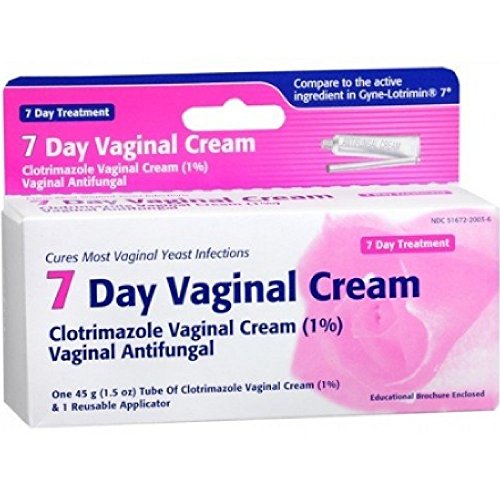
Taro Clotrimazole 7 Vaginal Cream
Our take. Clotrimazole 1 percent over seven days, the other azole the CDC lists for over the counter use.
Pros
- A different azole from miconazole
- Seven day low dose regimen
- Inexpensive generic
Cons
- Seven nights of cream
- Reusable applicator needs cleaning
| Category | Format |
|---|---|
| Vaginal health | 45 g tube |

Vagisil Vagistat 1-Day
Our take. Tioconazole 6.5 percent ointment in a single applicator, the third azole option on the CDC list.
Pros
- One application
- Tioconazole, a CDC listed regimen
- Prefilled applicator
Cons
- One strong dose can sting
- Ointment base, can weaken latex condoms
| Category | Format |
|---|---|
| Vaginal health | 1 prefilled applicator |
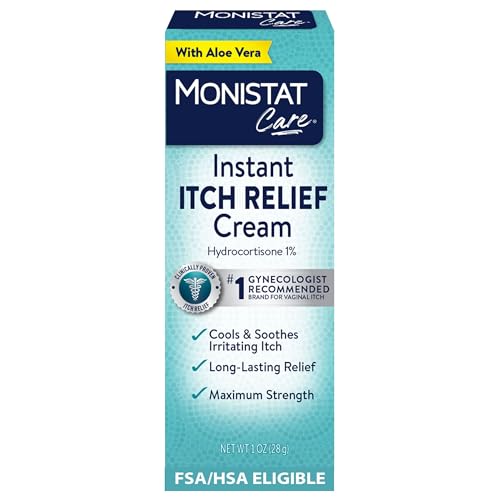
Monistat Instant Itch Relief Cream
Our take. External itch relief only. It soothes the vulva while an antifungal works, but it does not treat a yeast infection.
Pros
- Fragrance free
- External use for itch
- Pairs with any antifungal
Cons
- Does not treat the infection
- Not for use inside the vagina
| Category | Format |
|---|---|
| Vaginal health | 1 oz |

pH-D Boric Acid Suppositories
Our take. The best known boric acid suppository. Used for recurrent imbalance after a diagnosis, never during pregnancy and never by mouth.
Pros
- Single ingredient, 600 mg
- Widely available
- Clear instructions
Cons
- Toxic if swallowed, keep away from children and pets
- Not for use in pregnancy
- Follow the label on timing around sex
| Category | Format |
|---|---|
| Vaginal health | 30 suppositories, 600 mg |
Monistat 3 Combination Pack.
Best overall. Three 200 mg miconazole suppositories plus external cream: a moderate dose, tidy format and itch relief in one box. Our Monistat review compares all three Monistat strengths. See Monistat 3 on Amazon.
Monistat 7 Cream.
Best low dose. Miconazole 2 percent cream across seven nights, the gentlest option and the length the CDC recommends in pregnancy, with a clinician's OK.
Monistat 1 Combination Pack.
Best one dose. A single 1,200 mg ovule plus external cream for people who want it over with. The concentrated dose can sting more on inflamed tissue.
Amazon Basic Care Miconazole 3 Day.
Best value. Miconazole 4 percent cream in prefilled applicators, a CDC listed 3 day regimen, as a store brand. No external cream in the box.
Taro Clotrimazole 7 Vaginal Cream.
Best clotrimazole. A 1 percent cream on the CDC list for 7 to 14 days. A different azole if miconazole has irritated you before; ask a pharmacist which length fits.
Vagisil Vagistat 1-Day.
Best tioconazole. A 6.5 percent ointment in one prefilled applicator, the single dose regimen the CDC lists for tioconazole.
Monistat Instant Itch Relief Cream.
For outside itch. Fragrance free external cream to soothe the vulva while an antifungal works. Not a treatment.
pH-D Boric Acid Suppositories.
For recurrent cases, with a clinician. Boric acid for non-albicans infections that resist azoles, as listed by the CDC. Never by mouth, never in pregnancy. See pH-D on Amazon.
Side by side.
| Drug | Nights | External cream | Best for | |
|---|---|---|---|---|
| Monistat 3 | Miconazole | 3 | Yes | Most people |
| Monistat 7 | Miconazole 2% | 7 | Same cream | Sensitive tissue, pregnancy with a clinician |
| Monistat 1 | Miconazole 1,200 mg | 1 | Yes | Convenience |
| Amazon Basic Care 3 Day | Miconazole 4% | 3 | No | Value |
| Taro Clotrimazole 7 | Clotrimazole 1% | 7 or more | Same cream | A different azole |
| Vagistat 1-Day | Tioconazole 6.5% | 1 | No | Single dose |
| pH-D Boric Acid | Boric acid | Per clinician | No | Recurrent non-albicans, diagnosed |
While you treat.
Wear breathable cotton underwear, skip tampons if the label says so, and avoid sex until treatment is done. Rinse the vulva with plain warm water instead of soap. If dryness or friction set off symptoms, a glycerin free lube can help afterward; see the best lube for sensitive skin.
When to see a clinician.
See a clinician for a first ever yeast infection, any vaginal symptoms in pregnancy, symptoms that are not clearly yeast, no improvement in 3 days, symptoms lasting more than 7 days, or a return within 2 months. Get care promptly for fever, pelvic or back pain, sores, or a fishy or foul smell. Ask about a longer plan if you have three or more infections a year. More guides are in the health hub. This page is general information, not medical advice.
Frequently asked questions.
What is the fastest yeast infection treatment?
Over the counter options work at similar speed whichever you pick. The CDC does not rank 1, 3 and 7 day regimens. Symptoms often ease in a few days, though Cleveland Clinic notes a full week may be needed. A clinician can also prescribe an oral antifungal, which some people prefer.
Is Monistat or clotrimazole better?
Neither is better on the evidence. Monistat is miconazole and Taro's cream is clotrimazole, and both are on the CDC list of recommended over the counter regimens. Pick on format and comfort. If one did not work for this episode, see a clinician rather than switching.
Can a yeast infection go away on its own?
Cleveland Clinic says no, a yeast infection does not go away on its own. Mild symptoms may come and go, but treatment is the reliable path, and a diagnosis matters if you are not sure it is yeast.
Does boric acid cure yeast infections?
It has a narrow role. The CDC lists vaginal boric acid for recurrent infections caused by non-albicans species, which often resist standard azoles. It is not a first step for a routine infection, it is toxic if swallowed, and it is not for use in pregnancy.
Do probiotics or yogurt treat yeast infections?
No. The CDC says there is no substantial evidence that probiotics or homeopathic medicines treat yeast infections. A 2017 Cochrane review found low quality evidence that probiotics added to standard treatment may help short term cure, but not long term.
Can I treat a yeast infection while pregnant?
Only with a clinician's guidance. The CDC recommends topical azoles applied for 7 days in pregnancy and advises against oral fluconazole. Any vaginal symptoms in pregnancy are worth a call.
Sources
Readers also read.
 HealthBoric acid suppositories, what they are used for and who should not use them
 HealthVaginal odor, what is normal and how to get rid of the smell that is not
 HealthBurning after sex, the common causes and what actually helps
 DrynessThe best lube for sensitive skin, graded on the four things that sting