Vaginal discharge, what is normal by color, texture and time of the month
Discharge is how a healthy vagina cleans itself, and it changes through the month. A color and texture table, what brown, white, yellow and clear discharge usually mean, the signs of yeast, BV and STIs, what helps, and when to see a clinician.
By the Wet Betty editors · Published Oct 17, 2026
Fact checked against FDA 510(k) filings, WHO guidance and the sources listed below. How we review

Vaginal discharge is normal: fluid and cells that keep the vagina clean and moist. Healthy discharge is clear or white with little smell, and it changes through the month, clear and slippery near ovulation and thicker after. Gray with a fishy smell, green or frothy, or clumpy with itching usually means an infection worth testing for.
What discharge is.
Discharge is a mix of fluid from the vaginal walls, mucus from the cervix and shed cells, carried along by the bacteria that live there. It keeps tissue moist, flushes out old cells and helps protect against infection. The amount varies a lot from person to person, and Cleveland Clinic stresses that everyone's normal is a little different. What matters most is a change from your own pattern in color, smell, texture or amount, or discharge that comes with itching, burning, soreness or pain.
Discharge across the cycle.
Hormones drive most of the normal changes. A typical pattern for someone with regular periods, with plenty of variation:
- Right after a period. Little discharge; some people feel fairly dry for a few days. Brownish discharge as the last of the period clears is common.
- Before ovulation. Discharge builds and is often cloudy, white or sticky.
- Around ovulation. ACOG describes cervical mucus becoming noticeably more plentiful, thin and slippery just before ovulation. It is often clear and stretchy. The NHS says discharge gets clearer and wetter and more noticeable at this point.
- After ovulation. ACOG says the amount drops and it becomes thicker and less noticeable. Creamy white discharge is common in the days before a period.
Pregnancy, sexual arousal and hormonal birth control can all increase discharge, the NHS notes. After menopause, lower estrogen usually means less discharge and more dryness; see vaginal dryness causes.
If you are tracking fertility, the clear, slippery phase lines up with your most fertile days. Our best ovulation tests explains how hormone tests confirm what discharge suggests.
Discharge by color and texture.
| What you see | Usually means | What to do |
|---|---|---|
| Clear and stretchy, slippery | Ovulation, high estrogen | Nothing |
| Clear and watery | Normal; also after exercise or with arousal | Nothing |
| White or off white, creamy | Normal, often after ovulation or before a period | Nothing |
| White, thick, clumpy like cottage cheese, with itch | Possible yeast infection | Treat if diagnosed before and identical; otherwise get checked |
| Thin gray or dull white, fishy smell | Possible bacterial vaginosis | See a clinician for testing and treatment |
| Yellow green or green, frothy, sometimes fishy | Possible trichomoniasis | Get tested; partners need treatment too |
| Cloudy yellow, with pelvic pain or bleeding | Possible gonorrhea or chlamydia | Get tested soon |
| Brown | Old blood, usually just before or after a period | Usually nothing; check if it is frequent or after menopause |
| Pink | Light spotting, sometimes after sex | Check if it keeps happening |
| Red outside your period, or any bleeding after menopause | Bleeding that needs a cause | See a clinician |
The table is a guide, not a diagnosis. Infections overlap, and two can happen at once.
Brown discharge.
Brown is almost always blood that took its time leaving and darkened on the way. Cleveland Clinic says brown or red discharge is often related to your period or pregnancy. Common, usually harmless timing: the day or two before a period starts, the tail end of a period, and light spotting around ovulation. Spotting while starting or changing hormonal birth control can look brown too.
Brown discharge deserves a check when it shows up regularly between periods, after sex, with pain or a bad smell, if you might be pregnant and also have cramping, or at any point after menopause. Bleeding after menopause is never something to wait out.
White discharge.
Thin to creamy white discharge is normal, especially in the second half of the cycle. White that turns thick and clumpy, with itching, burning or a red, sore vulva, is the classic yeast picture; ACOG says the discharge in a yeast infection may be white, lumpy and odorless, and that itching and burning are the main symptoms. White or gray discharge with a fishy smell is more often BV. Our best yeast infection treatment guide covers when an over the counter antifungal is reasonable, and itchy vagina covers the other causes of itch.
Yellow and green discharge.
Discharge can dry slightly yellow on underwear. Cleveland Clinic lists dark yellow, green or gray as the shades that may mean a bacterial infection or an STI. ACOG describes trichomoniasis discharge as yellow gray or green, sometimes with a fishy odor, burning and redness. Gonorrhea and chlamydia often cause no symptoms, but when they do, Cleveland Clinic says discharge can be cloudy yellow or green. All three are treated with prescription medicine, and testing is the only way to tell them apart.
Clear discharge.
Clear discharge is usually the healthiest looking kind. More of it around ovulation, during arousal, in pregnancy or after a workout is expected. Clear discharge with a strong smell, itching or burning is not typical and is worth a check.
When discharge signals yeast, BV or an STI.
Bacterial vaginosis. ACOG lists increased discharge with a strong fishy odor as the main symptom, often stronger after sex or during a period, usually thin and gray. It needs prescription antibiotics; washes and gels mask the smell. Our BV treatment guide explains the options and why it often comes back, and vaginal odor goes smell by smell.
Yeast infection. Itching and burning lead; discharge is a secondary sign. ACOG says over the counter treatments are safe and often effective, but that people often think they have yeast when it is something else. If it is your first time, or treatment did not work, see your clinician.
STIs. Trichomoniasis, gonorrhea and chlamydia can change discharge, and herpes can cause sores with discharge. The NHS lists green, yellow or frothy discharge, discharge with pelvic pain or bleeding, and discharge with blisters or sores as reasons to get checked.
A pH test as a first clue. A healthy vagina is acidic. Cleveland Clinic notes that a higher vaginal pH may indicate BV. Yeast infections usually do not raise pH, which is how home kits try to separate the two. A home pH kit cannot diagnose anything and cannot rule out an STI, but a high reading is a good reason not to reach for a yeast treatment. The AZO Vaginal Infection pH Test uses sealed swabs and strips; the easy@Home vaginal pH strips give you five tests to check now and recheck later.

Our take. A swab and strip pH check that helps tell a likely BV or trichomoniasis picture from a likely yeast one before you treat.
Pros
- Individually sealed swabs and strips
- From a large drugstore brand
- Quick read at home
Cons
- pH points to a cause, it does not diagnose one
- Only 2 tests per box
| Category | Format |
|---|---|
| Test | 2 self tests |
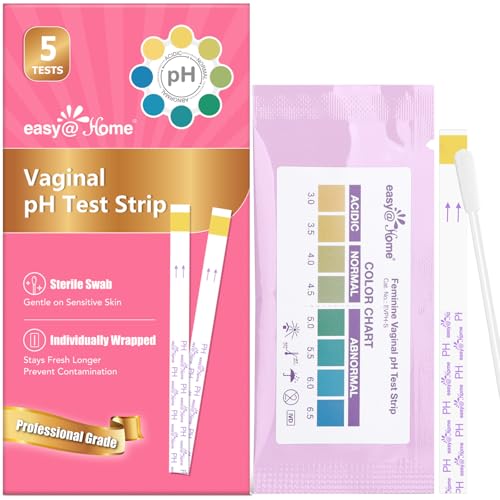
Our take. A five test vaginal pH pack from the easy@Home ovulation strip brand, enough to check now and recheck later.
Pros
- Five tests per box
- From an established home test brand
- Simple color match read
Cons
- Color matching takes care
- pH alone does not diagnose an infection
| Category | Format |
|---|---|
| Test | 5 tests |

Our take. Thin unscented liners for days with heavier normal discharge. Unscented is the version to buy.
Pros
- Unscented
- Thin regular length
- Large count box
Cons
- Change often, since a damp liner can irritate skin
- Not for daily wear if your skin reacts
| Category | Format |
|---|---|
| Vaginal health | 162 count, regular |

Our take. Individually wrapped, unscented extra long liners, easy to carry for midcycle days.
Pros
- Unscented
- Individually wrapped for a bag
- Extra long coverage
Cons
- Change often to keep skin dry
- Extra long can feel bulky in some underwear
| Category | Format |
|---|---|
| Vaginal health | 93 count, extra long, wrapped |
What helps and what to avoid.
- Wash the vulva only, with warm water and, if you want, a mild unscented cleanser. The NHS advises against perfumed soaps, deodorants, scented wipes and douching. Our best feminine wash guide lists the gentlest options.
- Never douche. Cleveland Clinic says douching upsets the natural balance of organisms and can lead to infection.
- Use unscented liners if you want them, such as Always Thin Daily Liners or Carefree Extra Long Liners, and change them often. A damp liner against skin all day can irritate.
- Wear breathable cotton underwear and change out of wet swimsuits and workout clothes.
- Skip scented products and harsh lubes if you are prone to irritation; see lube ingredients to avoid.
When to see a clinician.
See a clinician if your discharge changes in color, smell or texture from your usual pattern, if it is gray, green, yellow or frothy, if it comes with itching, burning, swelling, sores, pelvic pain, fever or pain when you pee, or if you have bleeding between periods, after sex or after menopause. Get tested if you have a new partner or a partner with symptoms. If you are pregnant, call your prenatal care team about any change in discharge, and right away for watery leaking or bleeding. ACOG suggests avoiding vaginal medicines, douching and sex in the days before an appointment so tests are accurate. This page is general information, not medical advice.
Frequently asked questions.
What does normal discharge look like?
Clear or white, with little or no smell. It can be watery, sticky, creamy or stretchy, and it shifts through your cycle, wettest and clearest around ovulation and thicker afterward. Your own normal is the baseline that matters.
Why is my discharge brown?
Usually it is old blood leaving slowly, most often in the days right before or after a period. Light spotting between periods or in early pregnancy can look brown too. Brown discharge after menopause, or regularly between periods or after sex, should be checked.
Is white discharge normal?
Yes, thin or creamy white discharge is normal, especially in the second half of the cycle. White discharge that is thick and clumpy like cottage cheese, with itching or burning, points to a yeast infection.
What does yellow discharge mean?
A faint tint can be normal discharge. Darker yellow or green, especially if frothy, fishy or with itching, can mean trichomoniasis, and cloudy yellow discharge with pelvic pain can come with gonorrhea or chlamydia. Get tested rather than guessing.
Why do I have so much clear discharge?
Clear, slippery, stretchy discharge is typical in the days before ovulation, when estrogen is high. Arousal, pregnancy and some birth control can also increase it. If it is clear and has no smell, itch or pain, it is usually normal.
Can a pH test tell me if I have BV or a yeast infection?
It can point you in a direction. Cleveland Clinic notes a higher vaginal pH may indicate BV. Yeast infections usually leave pH in the normal range. A pH strip cannot diagnose an STI or rule one out, so use it as a prompt, not a verdict.
Sources
Readers also read.
 HealthVaginal odor, what is normal and how to get rid of the smell that is not
 HealthBV treatment, how to get rid of BV and what keeps it from coming back
 HealthThe best yeast infection treatment, over the counter options and when you need moreHealthItchy vagina, the common causes and what helps at home