Itchy vagina, the common causes and what helps at home
Most vaginal itching is really vulvar itching, and most of it has a fixable cause. A cause by cause table, why itching after sex happens, what helps at home, what makes it worse, and the itch that should never be self treated.
By the Wet Betty editors · Published Oct 17, 2026
Fact checked against FDA 510(k) filings, WHO guidance and the sources listed below. How we review

An itchy vagina is usually an itchy vulva, the skin outside. The common causes are a yeast infection, a reaction to soap, wipes, liners or lube, and dryness after menopause. BV and trichomoniasis can itch too. Rinse with water, stop new products and wear cotton. Itch that lasts, returns or comes with white patches or sores needs a clinician.
Vulva or vagina.
Most people say vagina when they mean the whole area. The difference matters here. The vagina is the internal canal; the vulva is the outer skin, including the labia and the skin around the opening. The vulva is skin, so it reacts like skin: to fragrance, friction, sweat, shaving and allergens. The vagina mostly itches when its balance is off, as with a yeast infection or trichomoniasis. If the itch is on the outside and there is no change in discharge, think skin first.
Common causes of vaginal itching.
| Cause | Typical clues | What usually helps |
|---|---|---|
| Yeast infection | Itching and burning, red swollen vulva, white lumpy discharge without odor | Antifungal, over the counter if diagnosed before and identical |
| Irritant or allergic reaction | Itch or sting after a new soap, wipe, liner, detergent, lube or condom | Stop the product, water only, cool compress |
| Bacterial vaginosis | Fishy smell, thin gray discharge; itching is uncommon | Prescription treatment after testing |
| Trichomoniasis | Itching, burning, yellow green discharge, sometimes fishy | Prescription treatment for you and partners |
| Dryness after menopause | Dry, sore, itchy skin, pain with sex | Moisturizer, lube, prescription options |
| Lichen sclerosus | Persistent itch, white smooth or crinkled patches, often over 50 | Prescription steroid ointment |
| Eczema, psoriasis, lichen planus | Red, scaly or rough patches, itch elsewhere too | Diagnosis and treatment from a clinician |
| Herpes | Tingling or itch, then small blisters or sores | Testing and prescription antivirals |
| Sweat, tight clothes, shaving | Itch in folds, bumps after shaving, worse in heat | Breathable cotton, loose clothes, gentler hair removal |
Yeast infections.
Yeast is the cause most people suspect, and often the right one. ACOG says the most common symptoms are itching and burning of the vulva, sometimes worse with urination or sex, with a red, swollen vulva. Discharge may increase and be white, lumpy and odorless. ACOG also says over the counter treatments are safe and often effective, but that people often think they have yeast when they have something else, which delays the right treatment.
If you have had a yeast infection diagnosed before and this is the same, a 3 day treatment such as Monistat 3 is a reasonable first step. The NHS advises against using over the counter antifungals more than twice in 6 months without seeing a doctor. Our best yeast infection treatment and Monistat review compare the strengths. The NHS also notes that antifungal creams can damage condoms and diaphragms.
Irritants and contact dermatitis.
When the skin of the vulva touches something that irritates it or triggers an allergy, it itches, stings or burns. Cleveland Clinic lists the usual suspects: soaps, bubble baths, shampoos and conditioners that run down in the shower, deodorants, perfumes, douches, talcum powder, nylon underwear, laundry detergents, pads, panty liners and tampons, toilet paper, tea tree oil, spermicides, dyes and some medicines. Scented wipes and washes sold for the area are frequent triggers.
The fix is subtraction. Stop everything new, wash with water or a single fragrance free cleanser such as Vagisil Fragrance-Free Wash on the outside only, switch to an unscented detergent and skip liners for a while. Cleveland Clinic says vulvar dermatitis often clears by avoiding the trigger, and that clinicians may prescribe a steroid ointment when it does not. Our best feminine wash guide explains why plain water is often enough.
Itching after sex.
Itching after sex usually comes down to friction, a product, or an infection that sex brings to the surface.
- Friction and dryness. Not enough lubrication irritates thin skin. More time, more arousal and a good lube help; how to use lube covers the basics.
- Lube ingredients. Fragrance, flavors, warming and tingling agents, spermicides such as nonoxynol 9 and some preservatives are common irritants. Very high osmolality, glycerin heavy lubes can also sting. See lube ingredients to avoid and best lube for sensitive skin.
- Condoms. Latex allergy can cause itching or swelling. Polyisoprene and polyurethane condoms are latex free; our best condoms guide lists them.
- Infection. BV smells stronger after sex, and a yeast infection can flare with friction. If itching comes with discharge or odor, get checked.
If burning is the bigger problem, burning after sex goes cause by cause.
Menopause and dryness.
Falling estrogen thins and dries the tissue of the vulva and vagina. That can feel like itching, soreness or a raw sensation, often with pain during sex and sometimes urinary symptoms. The Menopause Society says nonhormone moisturizers and lubricants are enough for most women with mild symptoms, and vaginal estrogen, vaginal DHEA and ospemifene are effective for moderate to severe symptoms. A gentle moisturizer such as YES VM, used a few times a week, is a good start. See vaginal atrophy and best vaginal moisturizers.
Lichen sclerosus and other skin conditions.
Lichen sclerosus is the itch not to self treat. The NHS describes itchy white patches, smooth or crinkled, that damage easily, usually on the vulva and around the anus. It is much more common in women over 50 but can happen at any age. Over time it can tighten tissue and make sex painful. A strong prescription steroid ointment usually relieves symptoms, and the NHS notes it slightly raises the risk of vulvar cancer, which is why diagnosis and follow up matter. Eczema, psoriasis and lichen planus can also affect the vulva and need a clinician's eye.
What helps at home.
- Water first. Rinse the vulva with plain warm water and pat dry. No soap inside the vagina, ever.
- Cool it. A cool compress or a short, plain sitz bath; Cleveland Clinic says sitz baths can relieve itching and burning.
- Breathable clothes. Cotton underwear, loose fits, no underwear at night if that is comfortable, and change out of wet swimsuits and sweaty clothes promptly.
- One change at a time. If you suspect a product, stop it and give the skin a week or two.
- Check before you treat. A home pH test such as the AZO Vaginal Infection pH Test can help: a higher pH points away from yeast and toward BV or trichomoniasis, which need a clinician. It cannot diagnose an infection.
- Short term external relief. An external itch cream such as Monistat Instant Itch Relief can soothe skin while a treatment works. It does not treat an infection and is not for use inside the vagina.

Our take. A swab and strip pH check that helps tell a likely BV or trichomoniasis picture from a likely yeast one before you treat.
Pros
- Individually sealed swabs and strips
- From a large drugstore brand
- Quick read at home
Cons
- pH points to a cause, it does not diagnose one
- Only 2 tests per box
| Category | Format |
|---|---|
| Test | 2 self tests |

Our take. The middle option: three 200 mg miconazole suppositories over three nights, plus external cream.
Pros
- Three nights, moderate dose
- External itch cream included
- Suppositories are less messy than cream
Cons
- Oil based, can weaken latex condoms
- Not the regimen recommended in pregnancy
| Category | Format |
|---|---|
| Vaginal health | 3 suppositories plus external cream |
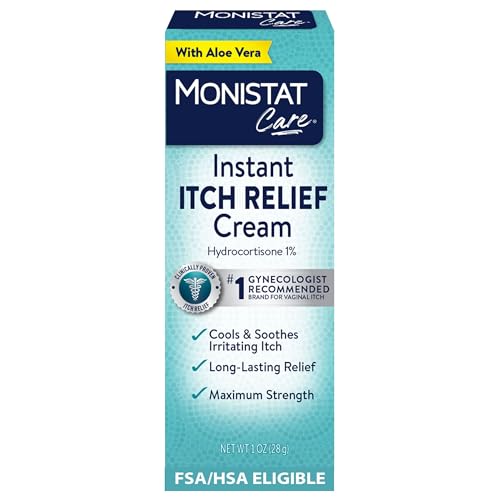
Our take. External itch relief only. It soothes the vulva while an antifungal works, but it does not treat a yeast infection.
Pros
- Fragrance free
- External use for itch
- Pairs with any antifungal
Cons
- Does not treat the infection
- Not for use inside the vagina
| Category | Format |
|---|---|
| Vaginal health | 1 oz |

Our take. A fragrance free, soap free wash for the vulva, the closest thing in the aisle to plain water.
Pros
- Fragrance free
- No dyes or soap per the label
- Hypoallergenic, dermatologist tested
Cons
- Still more than the plain water ACOG suggests
- Vulva only, never inside the vagina
| Category | Format |
|---|---|
| Feminine care | 12 fl oz |

Our take. The moisturizer with the best numbers on our ledger: iso-osmolar and pH matched. Organic, UK made.
Pros
- Best numbers of any moisturizer, 250 mOsm/kg and pH 4.15
- Organic, glycerin free
- Can double as a lube
Cons
- Pricier than drugstore moisturizers
- Harder to find in stores
| Osmolality | WHO band | pH | Glycerin free | Latex condom safe | Silicone toy safe |
|---|---|---|---|---|---|
| 250 mOsm/kg | Ideal | 4.15 | Yes | Yes | Yes |
What to avoid.
- Douching and scented washes, sprays and wipes. They strip protective bacteria and are common irritants.
- Scratching. It breaks skin, which itches more and can get infected. Keep nails short.
- Repeat yeast treatments without a diagnosis. If one course did not work, the cause may not be yeast.
- Kitchen and essential oil remedies inside the vagina. Tea tree oil is on Cleveland Clinic's list of triggers.
- Leftover steroid creams from other conditions, unless a clinician has said they are right for vulvar skin.
For discharge changes alongside the itch, see vaginal discharge and vaginal odor.
When to see a clinician.
See a clinician if this is your first suspected yeast infection, if over the counter treatment has not worked, if itching keeps coming back or lasts more than a week or two, or if you are pregnant. Go sooner for itching with sores, blisters, white or thickened patches, bleeding, a lump, fever, pelvic pain, a fishy smell or green, yellow or frothy discharge, or after a new sexual partner. Children and anyone past menopause with new persistent vulvar itch should be seen rather than self treated. This page is general information, not medical advice.
Frequently asked questions.
Why is my vagina itchy but there is no discharge?
Itch without discharge often comes from the skin of the vulva rather than an infection. Common causes are a reaction to soap, wipes, liners, detergent or lube, shaving, sweat, dryness after menopause, and skin conditions such as eczema or lichen sclerosus. Yeast can also itch with little discharge. If it lasts more than a week, get it looked at.
How do I stop vaginal itching fast?
Stop any new product, rinse the vulva with plain warm water, pat dry, and use a cool compress or a short sitz bath, which Cleveland Clinic says can ease itching and burning. Wear loose cotton underwear. If you have had a diagnosed yeast infection before and this feels identical, an over the counter antifungal is reasonable; otherwise see a clinician.
Why do I itch after sex?
Common reasons are friction from too little lubrication, an ingredient in your lube or condom such as fragrance, warming agents, spermicide or latex, and a yeast or BV flare. Try a plain, fragrance free lube, change one thing at a time, and get checked if itching comes with discharge, odor or sores.
Is an itchy vagina a sign of an STI?
It can be. Trichomoniasis often causes itching and burning with a yellow green discharge, and herpes causes itching or tingling before sores appear. If you have a new partner, sores, unusual discharge or pain, get tested.
Can menopause make your vagina itchy?
Yes. Lower estrogen thins and dries the vulvar and vaginal tissue, which can feel itchy or sore. A vaginal moisturizer used a few times a week and a gentle lube for sex help many people; prescription vaginal estrogen is an option to ask about if they do not.
When is vulvar itching serious?
See a clinician for itching that lasts more than a week or two, keeps coming back, or comes with white, shiny or thickened patches, sores, bleeding or a lump. Those can signal lichen sclerosus or another skin condition that needs a diagnosis and prescription treatment.